
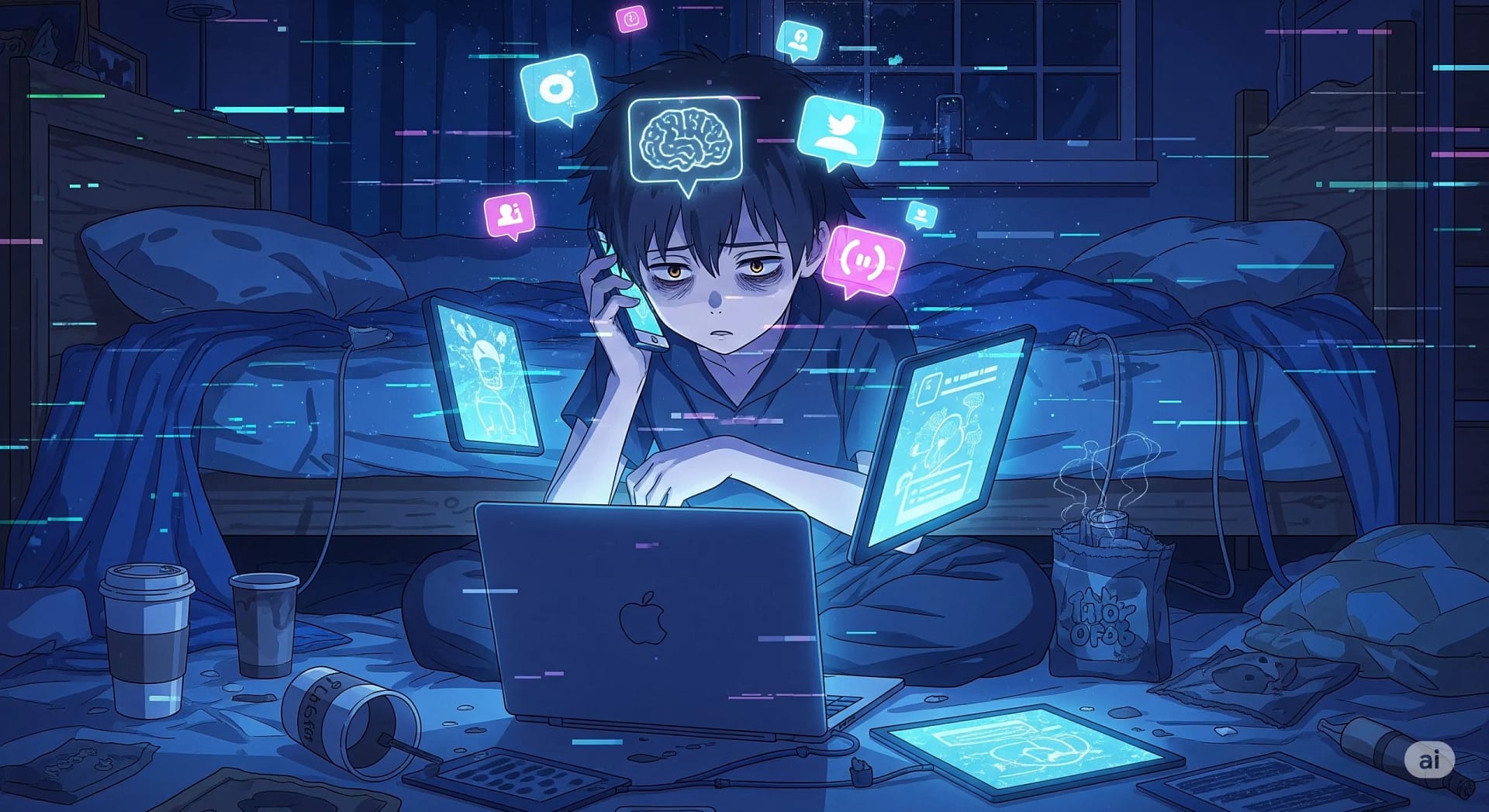
You wake up exhausted after 8 hours of sleep. You scroll Instagram for “just 5 minutes” and suddenly it’s been an hour. Your brain feels foggy, your motivation is nonexistent, and you can’t focus on anything for more than 30 seconds without reaching for your phone.
You think you’re just lazy or depressed. You’re not. You’re suffering from digital burnout—a condition that’s now affecting 76% of people under 30 and rewiring our brains in ways we never saw coming.
Here’s what’s really happening: Your brain is stuck in a constant state of hypervigilance, processing 34GB of information daily—enough to crash a 1990s computer. Your dopamine system is so overstimulated from endless notifications, likes, and digital rewards that normal life feels unbearably boring.
The most shocking part? The average person now checks their phone 144 times per day, spends 7+ hours staring at screens, and experiences withdrawal symptoms more severe than gambling addicts when separated from their devices.
But digital burnout isn’t just about being “too online.” It’s a legitimate neurological condition causing anxiety, depression, insomnia, and cognitive decline in millions of people who have no idea what’s happening to them.
I’m about to show you exactly how your devices are hijacking your brain chemistry, why you feel exhausted despite doing “nothing,” and the science-backed recovery plan that’s helping people reclaim their minds from the digital dopamine trap.
The Digital Burnout Epidemic Nobody Talks About
The Shocking Statistics That Reveal the Crisis
Digital burnout has exploded into a mental health emergency:
- 89% of young adults report feeling “mentally exhausted” from constant digital stimulation
- Average screen time: 7 hours 4 minutes daily (up 30% since 2020)
- Phone checks: 144 times per day (every 10 minutes while awake)
- Attention span: Decreased from 12 seconds to 8 seconds since 2000
- Sleep disruption: 71% use devices within 1 hour of bedtime
- Anxiety correlation: 85% higher anxiety rates in high social media users
Dr. Anna Lembke, Stanford addiction specialist: “We’re seeing dopamine dysregulation on a scale never before witnessed in human history. Digital burnout isn’t a character flaw—it’s a predictable neurobiological response to overstimulation.”
What Digital Burnout Actually Looks Like
Digital burnout isn’t just “being tired of technology.” It’s a complex neurological condition with specific symptoms:
Cognitive symptoms:
- Digital brain fog: Inability to concentrate without constant stimulation
- Task-switching addiction: Compulsively checking devices during focused work
- Information overwhelm: Feeling anxious when not consuming content
- Decision fatigue: Exhausted by endless choices and options online
Emotional symptoms:
- Anhedonia: Nothing feels rewarding or interesting offline
- FOMO anxiety: Constant fear of missing online content or interactions
- Comparison depression: Feeling inadequate after social media use
- Irritability: Becoming angry when devices aren’t accessible
Physical symptoms:
- Digital eye strain: Headaches, dry eyes, blurred vision
- Tech neck: Neck and shoulder pain from poor posture
- Disrupted sleep: Blue light and mental stimulation affecting sleep cycles
- Phantom vibration syndrome: Feeling phone vibrations that aren’t real
The Neuroscience of Digital Addiction
How Your Brain Gets Hijacked
Tech companies have weaponized neuroscience to create products that literally reprogram your brain:
The dopamine trap:
- Variable reward schedules: Like slot machines, social media provides unpredictable rewards (likes, comments, messages)
- Intermittent reinforcement: The most addictive form of behavioral conditioning
- Tolerance building: You need increasing amounts of digital stimulation to feel normal
- Withdrawal symptoms: Anxiety, irritability, and restlessness when offline
Dr. Nir Eyal, behavioral design expert: “These platforms are designed to be irresistible. They use the same psychological principles that make gambling addictive, but they’re in your pocket 24/7.”
The Attention Residue Effect
Every time you switch between your phone and real-world tasks, part of your attention remains stuck on the digital stimulus:
What happens in your brain:
- Notification triggers anticipation (dopamine release)
- You check device (temporary satisfaction)
- Return to task (but attention is fragmented)
- Performance decreases by 23% on average
- Brain craves more stimulation to feel normal
Real example: You’re reading a book, get a text notification, check it quickly, then return to reading. Your comprehension drops significantly because your brain is still processing the text conversation while trying to focus on the book.
The Comparison Trap: Social Media’s Mental Health Crisis
Social media platforms profit from making you feel inadequate:
The highlight reel effect:
- Curated perfection: People only share their best moments
- Comparison triggers: Your brain automatically compares your behind-the-scenes to others’ highlight reels
- Inadequacy spiral: Feeling like your life doesn’t measure up
- Validation seeking: Posting content hoping for likes and comments to feel worthy
Research findings:
- Instagram users: 70% more likely to report depression symptoms
- Facebook users: Increased anxiety and decreased life satisfaction with more usage
- TikTok users: Higher rates of ADHD-like symptoms and reduced attention span
The Psychology Behind Why You Can’t Stop Scrolling
The Infinite Scroll Trap
Social media platforms are designed to eliminate natural stopping points:
Traditional media had built-in breaks:
- TV shows: Episode endings provided natural stopping points
- Newspapers: Finite content with clear beginning and end
- Books: Chapter breaks allowed for natural pauses
Digital media removes all stopping cues:
- Infinite scroll: Content never ends, no natural break points
- Autoplay videos: Next video starts automatically
- Notification interruptions: Constant stream of new stimuli
- FOMO reinforcement: Fear of missing something if you stop
The Validation Addiction Cycle
Social media turns human connection into a numbers game:
The addiction cycle:
- Post content hoping for validation
- Check for responses (likes, comments, shares)
- Temporary high from positive feedback
- Crash and anxiety when engagement drops
- Post more content seeking higher engagement
- Tolerance builds requiring more validation to feel good
Case study: Emma, 24, marketing professional, found herself checking Instagram 200+ times daily, feeling anxious when posts got fewer than 100 likes, and spending 3+ hours crafting the “perfect” post. She didn’t realize her self-worth had become completely dependent on digital validation.
The Information Overload Paradox
Having access to infinite information makes us feel less informed and more anxious:
The paradox explained:
- Information abundance: Access to unlimited content creates choice paralysis
- Context collapse: Information from different sources and contexts blends together
- Truth decay: Difficulty distinguishing reliable from unreliable information
- Analysis paralysis: Too many options leading to decision avoidance
Mental health impact:
- Chronic stress: Brain in constant state of information processing
- Decision fatigue: Exhausted from making countless micro-decisions
- Imposter syndrome: Feeling inadequate compared to endless expert content
- Learned helplessness: Overwhelmed by problems you can’t solve
The Hidden Health Consequences
Sleep Destruction: The Digital Insomnia Epidemic
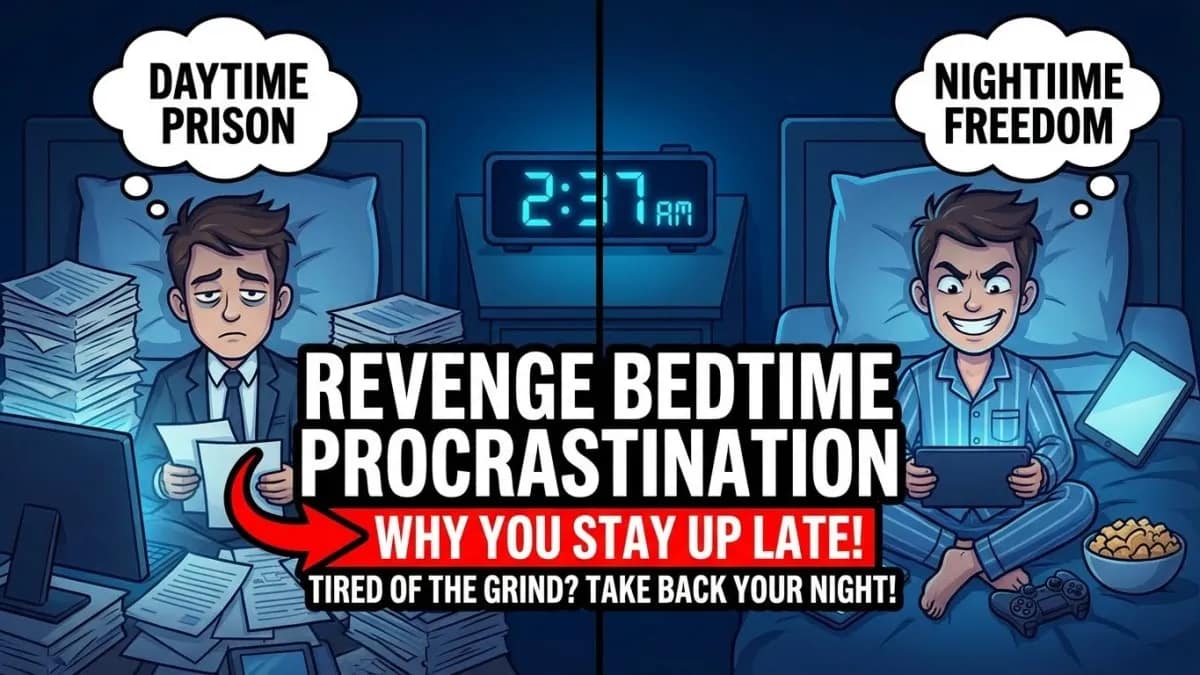
Screen use before bed is creating a generation of insomniacs:
Blue light impact:
- Melatonin suppression: Blue light reduces sleep hormone production by 50%
- Circadian disruption: Shifts sleep schedule later, making morning wake-ups difficult
- REM sleep reduction: Less restorative sleep even when total sleep time is adequate
- Sleep architecture changes: Altered deep sleep patterns affecting memory consolidation
Mental stimulation effects:
- Hyperarousal: Engaging content keeps brain in active, alert state
- Anxiety activation: Negative news or social comparisons trigger stress response
- FOMO insomnia: Fear of missing online activity keeps people awake
- Phantom notifications: Brain remains alert for notifications even when phone is off
The sleep debt compound effect:
- Day 1: 20% cognitive impairment from poor sleep
- Week 1: Mood instability, increased screen time to feel normal
- Month 1: Depression and anxiety symptoms emerge
- Months 2+: Chronic health problems, weakened immune system
The Loneliness Paradox
The more connected we are digitally, the lonelier we feel:
Social media vs. real connection:
- Shallow interactions: Likes and comments don’t provide deep social connection
- Performance pressure: Curating online persona prevents authentic self-expression
- Reduced empathy: Digital communication lacks nonverbal cues and emotional nuance
- Substitution effect: Online interaction replaces face-to-face social skills
Research findings:
- Heavy social media users: 25% more likely to report feeling lonely
- Face-to-face interaction: Decreased by 40% among teens since 2010
- Empathy scores: Dropped 40% among college students since 2000
- Deep friendships: Average number decreased from 3.5 to 2.1 since 2000
Physical Health Impacts
Digital burnout doesn’t just affect your mind—it’s damaging your body:
Musculoskeletal problems:
- Tech neck: Forward head posture causing chronic neck and shoulder pain
- Text thumb: Repetitive strain injury from excessive typing
- Computer vision syndrome: Eye strain, dry eyes, headaches
- Sedentary behavior: Increased sitting time leading to metabolic problems
Hormonal disruption:
- Cortisol dysregulation: Chronic stress from information overload
- Dopamine tolerance: Reduced sensitivity to natural rewards
- Serotonin imbalance: Mood regulation problems from screen exposure
- Growth hormone suppression: Poor sleep quality affecting recovery
Digital Burnout Recovery: The Science-Backed Solution
Phase 1: Digital Detox Stabilization (Days 1-7)
Goal: Break the immediate addiction cycle and stabilize your nervous system
The 24-hour reset protocol:
- Complete device-free day: No phones, computers, tablets, TV for 24 hours
- Analog alternatives: Books, paper journals, face-to-face conversations
- Physical activity: Walk, exercise, or engage in non-screen hobbies
- Mindfulness practice: Meditation or deep breathing to manage withdrawal symptoms
Expected withdrawal symptoms:
- Day 1-2: Anxiety, irritability, phantom notification feelings
- Day 3-4: Boredom, restlessness, improved sleep beginning
- Day 5-7: Mood stabilization, increased attention span, natural energy return
Emergency strategies for severe withdrawal:
- Progressive relaxation: Systematic muscle relaxation techniques
- Breathing exercises: 4-7-8 breathing to manage anxiety
- Physical exercise: Intense cardio to reset dopamine naturally
- Social support: Spend time with understanding friends or family
Phase 2: Mindful Re-engagement (Weeks 2-4)
Goal: Develop healthy digital boundaries and usage patterns
The selective re-introduction method:
Week 2: Essential tools only
- Work-related platforms: Only during designated work hours
- Communication: Text and calls for essential communication
- Information: One trusted news source, 15 minutes daily maximum
- Entertainment: None yet—allow brain to reset reward pathways
Week 3: Gradual expansion
- Social media: 30 minutes daily maximum, scheduled times only
- Entertainment: 1 hour of chosen content, not mindless scrolling
- Shopping/browsing: Scheduled times, specific purposes only
- News consumption: Limit to morning briefing, avoid throughout day
Week 4: Sustainable integration
- Planned usage: All digital activities scheduled and time-limited
- Regular breaks: 1-hour digital-free periods every 3 hours
- Evening boundaries: No screens 2 hours before bedtime
- Weekend protocols: Extended offline periods for recovery
Phase 3: Long-term Digital Wellness (Ongoing)
Goal: Maintain healthy relationship with technology long-term
The digital wellness framework:
Intentional consumption:
- Purpose-driven usage: Ask “Why am I reaching for this device?”
- Quality over quantity: Choose high-value content over mindless scrolling
- Active vs. passive: Engage in creating rather than just consuming
- Batch processing: Group similar digital tasks together
Environmental design:
- Phone placement: Keep phone in another room while sleeping, working
- App organization: Remove social media from home screen, bury in folders
- Notification management: Turn off all non-essential notifications
- Physical barriers: Use app timers, website blockers during focus time
Creating Your Personal Digital Wellness Plan
The Four Pillars of Digital Recovery
Pillar 1: Attention Training
Focused attention exercises:
- Single-tasking practice: Do one thing at a time without digital interruption
- Meditation: 10-20 minutes daily focused breathing or mindfulness
- Reading practice: Start with 30 minutes daily without checking devices
- Nature immersion: Regular time outdoors without devices
Progressive attention building:
- Week 1: 15-minute focused work sessions
- Week 2: 30-minute focused work sessions
- Week 3: 45-minute focused work sessions
- Week 4: 60+ minute deep work sessions without digital interruption
Pillar 2: Real-World Reward Systems
Rebuilding natural dopamine:
- Physical exercise: Regular cardio and strength training
- Creative pursuits: Music, art, writing, crafting—activities that provide flow states
- Social connection: Face-to-face interactions, community involvement
- Achievement goals: Non-digital accomplishments that provide genuine satisfaction
Reward substitution strategy:
- Instead of scrolling: Take a 5-minute walk
- Instead of social media: Call a friend or family member
- Instead of online shopping: Organize or clean physical space
- Instead of digital entertainment: Read, exercise, or practice a hobby
Pillar 3: Sleep and Recovery Optimization
Digital sleep hygiene:
- Device curfew: All screens off 2 hours before bedtime
- Bedroom sanctuary: No devices in bedroom, use analog alarm clock
- Blue light management: Blue light filters after sunset, dim lighting
- Morning routine: No devices for first hour after waking
Recovery practices:
- Weekly digital sabbath: 24-hour period with minimal/no device usage
- Daily quiet time: 1-2 hours of silence without digital stimulation
- Restorative activities: Baths, gentle yoga, journaling, nature time
- Social recovery: Regular in-person social activities without devices
Pillar 4: Purpose and Meaning
Reconnecting with offline goals:
- Value clarification: Identify what truly matters beyond digital metrics
- Skill development: Learn new abilities that don’t require screens
- Community engagement: Volunteer, join clubs, participate in local activities
- Legacy projects: Work on things that will matter in 10+ years
Technology Tools for Digital Wellness
Apps and Settings for Recovery
iPhone digital wellness settings:
- Screen Time: Set app limits, downtime scheduling, content restrictions
- Do Not Disturb: Scheduled quiet times, limit notifications
- Focus modes: Work, personal, sleep modes with different app restrictions
- Grayscale: Remove color to make phone less appealing
Android digital wellness tools:
- Digital Wellbeing: App timers, bedtime mode, focus mode
- Notification management: Granular control over which apps can interrupt
- Wind Down: Gradually dim screen and limit apps before bedtime
- App pinning: Lock phone to single app to prevent mindless switching
Third-party apps for recovery:
- Freedom: Block distracting websites and apps across all devices
- Forest: Gamify focus time by growing virtual trees
- Moment: Track phone usage and set reduction goals
- Cold Turkey: Powerful website and app blocking for serious recovery
Environmental Design for Success
Physical environment changes:
- Charging stations: Designated area away from bedroom and work space
- Analog alternatives: Physical books, newspapers, board games readily available
- Visual cues: Post notes about digital wellness goals where you’ll see them
- Social accountability: Share goals with friends and family for support
Real Recovery Stories: From Burnout to Balance
Case Study 1: The Social Media Manager’s Recovery
Background: Jessica, 26, social media manager, developed severe digital burnout despite working in digital marketing.
Starting point:
- Screen time: 12+ hours daily between work and personal use
- Sleep: 4-5 hours nightly, constantly checking phone
- Mental health: Anxiety, depression, inability to enjoy offline activities
- Physical symptoms: Headaches, neck pain, eye strain, weight gain
Recovery protocol:
- Immediate boundaries: No work social media access after 6 PM
- Device-free mornings: First 2 hours of day without any screens
- Analog hobbies: Returned to painting and hiking
- Professional boundaries: Delegated some social media tasks to reduce exposure
Results timeline:
- Week 1: “Felt like I was going through withdrawal, but slept better”
- Month 1: “Anxiety decreased significantly, could focus on painting for hours”
- Month 3: “Found new job in marketing that didn’t require constant social media monitoring”
- Month 6: “Maintained healthy boundaries, mental health completely transformed”
Jessica’s insight: “I realized I could work in digital marketing without being consumed by it. Setting boundaries wasn’t just healthy—it made me better at my job.”
Case Study 2: The Student’s Academic Recovery
Background: Alex, 20, college student, academic performance declining due to digital distraction.
Starting point:
- Phone checks: 300+ daily, couldn’t study for more than 10 minutes without distraction
- GPA: Dropped from 3.8 to 2.6 over one semester
- Social life: Replaced in-person friends with online interactions
- Mental health: Depression, anxiety, feeling constantly behind
Recovery approach:
- Study environment: Created phone-free study zones
- Scheduled breaks: 25-minute focus periods with 5-minute breaks
- Social replacement: Joined study groups and campus organizations
- Digital sabbaths: Every Saturday completely offline
Academic transformation:
- Month 1: Could study for 45-minute periods without distraction
- Semester 1: GPA improved to 3.4
- Semester 2: GPA back to 3.8, made Dean’s List
- Year 1: Became peer tutor helping other students with focus issues
Alex’s reflection: “I thought I was just lazy and undisciplined. Once I realized it was digital burnout, I could actually address the problem. My grades and mental health completely recovered.”
Case Study 3: The Executive’s Leadership Recovery
Background: Michael, 42, startup CEO, digital burnout affecting leadership effectiveness.
Starting point:
- Always-on culture: Responded to messages within minutes, 16-hour workdays
- Decision fatigue: Paralyzed by constant information streams
- Team relationships: Declining due to constant device distraction during meetings
- Personal life: Family relationships strained, no offline hobbies
Leadership-focused recovery:
- Communication boundaries: Set specific times for email/message responses
- Meeting policies: No devices during team meetings or conversations
- Strategic thinking time: 2-hour blocks weekly for offline strategic planning
- Modeling behavior: Demonstrated healthy digital boundaries for team
Business and personal results:
- Decision quality: Improved strategic thinking and problem-solving
- Team performance: Better meeting engagement, improved team communication
- Company culture: Reduced burnout across entire organization
- Personal life: Restored family relationships, developed new hobbies
Michael’s lesson: “I thought being constantly connected made me a better leader. Actually, it made me scattered and reactive. Recovery helped me become the strategic leader my company needed.”
The Digital Wellness Movement: Building a Healthier Future
Organizational Changes
Companies implementing digital wellness:
- Email curfews: No work messages outside business hours
- Meeting-free time blocks: Protected time for deep work
- Digital sabbaticals: Paid time off specifically for digital detox
- Wellness programs: Education about digital burnout and prevention
Schools addressing digital wellness:
- Phone-free policies: Designated times and spaces without devices
- Digital literacy: Teaching healthy technology relationships
- Mindfulness programs: Meditation and attention training in curriculum
- Outdoor education: Increased nature-based learning experiences
Cultural Shift Needed
Individual responsibility:
- Personal boundaries: Each person must set and maintain limits
- Education: Understanding how technology affects mental health
- Modeling: Demonstrating healthy digital behavior for others
- Advocacy: Supporting policies that protect digital wellness
Societal changes:
- Regulation: Policies limiting addictive design features
- Public awareness: Education about digital burnout and prevention
- Alternative spaces: More device-free public spaces and activities
- Support systems: Community resources for digital wellness
Your 30-Day Digital Recovery Challenge
Week 1: Awareness and Assessment
Day 1-2: Digital awareness
- Track current usage with built-in screen time tools
- Notice physical and emotional responses to device use
- Identify personal digital burnout symptoms
- Set baseline measurements for improvement
Day 3-7: Initial boundaries
- Implement 1-hour morning device-free period
- Turn off non-essential notifications
- Create physical phone-free zones (bedroom, dining table)
- Practice single-tasking for 30 minutes daily
Week 2: Withdrawal and Stabilization
Day 8-10: Detox intensification
- Extend device-free morning to 2 hours
- Implement evening device curfew 2 hours before bed
- Replace one digital activity with analog alternative daily
- Begin daily 10-minute meditation practice
Day 11-14: Building new patterns
- Schedule all digital activities instead of random usage
- Practice focused work sessions without device interruption
- Engage in one face-to-face social activity without devices
- Establish regular outdoor time without technology
Week 3: Skill Building
Day 15-17: Attention training
- Practice reading for 45 minutes without digital interruption
- Engage in creative activities (art, music, writing) for flow states
- Have device-free conversations with friends/family
- Try new physical activities or hobbies
Day 18-21: Social reconnection
- Plan device-free activities with others
- Practice active listening without digital distractions
- Engage in community activities or volunteer work
- Build non-digital reward systems and achievements
Week 4: Integration and Optimization
Day 22-24: System refinement
- Evaluate which strategies work best for your lifestyle
- Adjust boundaries based on what you’ve learned
- Create long-term sustainability plan
- Address any remaining challenge areas
Day 25-30: Future planning
- Set long-term digital wellness goals
- Create accountability systems with friends/family
- Plan regular digital detox periods
- Celebrate progress and commit to continued growth
Long-Term Maintenance: Making Digital Wellness Sustainable
Monthly Assessment and Adjustment
Monthly check-ins:
- Review screen time data and trends
- Assess mental health and energy levels
- Adjust boundaries based on life changes
- Set new challenges and goals
Quarterly deep reviews:
- Comprehensive evaluation of digital habits
- Professional consultation if needed
- Update technology settings and apps
- Plan seasonal adjustments (busy periods, vacations)
Building Support Systems
Personal support network:
- Find accountability partners with similar goals
- Share challenges and successes with trusted friends
- Create device-free social activities and traditions
- Model healthy behavior for family members
Professional resources:
- Digital wellness coaching if available
- Therapy for underlying anxiety or depression
- Workplace wellness programs
- Community support groups
Read More:- Why Gen Z social media addiction Trends (The Psychology Behind Viral Addiction)
Why AI Relationships Feel So Real (Attachment Theory Meets Artificial Intelligence)
The Bottom Line: Reclaiming Your Mind From Digital Chaos
Digital burnout isn’t a personal failing—it’s a predictable response to technology designed to capture and monetize your attention.
Your brain wasn’t designed to process 34GB of information daily, respond to 144 interruptions, or maintain constant vigilance for digital rewards.
The exhaustion, anxiety, and inability to focus you’re experiencing aren’t character flaws. They’re symptoms of a nervous system overwhelmed by digital stimulation.
But here’s the hopeful truth: Your brain is remarkably adaptable. With the right approach, you can recover your natural attention, rediscover offline pleasures, and build a healthy relationship with technology.**
The people who thrive in our digital age aren’t those who use technology the most—they’re those who use it most intentionally.
Recovery from digital burnout isn’t about becoming a technology hermit. It’s about regaining control over when, why, and how you engage with digital tools.
Your attention is your most valuable resource. Right now, it’s being harvested and sold by companies that profit from your distraction and overwhelm.
Taking back control isn’t just good for your mental health—it’s an act of reclaiming your autonomy and your life.
The digital world will always be there, competing for your attention with increasingly sophisticated methods.
But you have a choice. You can continue letting technology use you, or you can learn to use technology intentionally.
Your recovery starts with recognizing that digital burnout is real, treatable, and completely within your power to overcome.
Your brain is waiting to remember what it feels like to be truly present, deeply focused, and genuinely connected.
The question isn’t whether you can recover from digital burnout. The question is: when will you start?
Comment below: What’s your biggest digital burnout symptom? Which recovery strategy are you most excited to try? Let’s support each other in reclaiming our minds from digital chaos.
Share this article with anyone who feels overwhelmed by technology—they might not realize their exhaustion has a name and a solution.

Ahmed is a self-improvement and psychology writer passionate about helping people live smarter, calmer, and more productive lives.
- Ahmed manasiya

- Ahmed manasiya
- Ahmed manasiya
- Ahmed manasiya