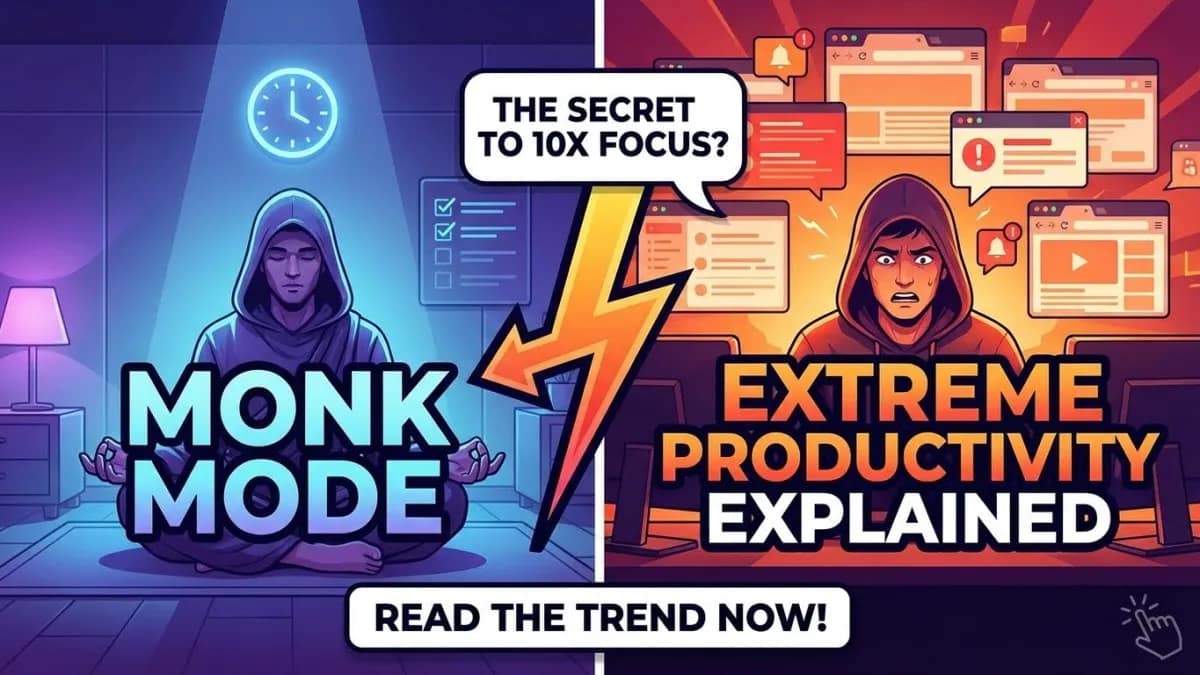
Monk Mode: The Extreme Productivity Trend Explained
Key Takeaways
What you need to know about Monk Mode:
- Monk Mode is a period of intense focus where you eliminate distractions and work on specific goals
- It typically lasts 30-90 days, though some people try shorter or longer periods
- You cut out social media, entertainment, socializing, and other time-wasters during this time
- The goal is to make massive progress on important projects or build new habits
- It’s not about punishment—it’s about choosing what matters most to you right now
What Is Monk Mode?
Monk Mode is a productivity strategy where you temporarily become a “monk” in your own life.
You step away from everything that distracts you. Social media, Netflix, parties, dating apps—all gone for a set period.
I’ve watched hundreds of people try this approach, and here’s what I’ve learned: it works when you do it right, but most people make the same mistakes.
Where Did Monk Mode Come From?
The term started gaining popularity on social media around 2020-2021.
Young entrepreneurs and self-improvement communities began sharing their experiences. They were tired of constant distractions and wanted real change.
But the concept itself? It’s ancient. Monks have been doing this for thousands of years.
But the concept itself? It’s ancient. Monks have been practicing focused meditation and isolation for thousands of years.
Why People Are Trying Monk Mode
The Distraction Problem
I’ve seen too many talented people waste years scrolling through apps.
The average person checks their phone 96 times per day. That’s once every 10 minutes during waking hours.
Your brain can’t focus deeply when it’s constantly interrupted. Real work requires real attention.
The Big Goals That Keep Getting Pushed Back
You know that business you want to start? That book you want to write? The body transformation you keep talking about?
Those things need dedicated time. Not the leftover scraps of attention you give them between TikTok videos.
Monk Mode creates space for what actually matters to you.
Burnout From Constant “Availability”
Everyone expects you to respond immediately to everything.
Text messages. Email. Slack. Instagram DMs. It never stops.
I’ve coached people who were exhausted from being “on” 24/7. Monk Mode gives you permission to step back.
What Does Monk Mode Actually Look Like?
The Core Principles
1. Single-minded focus on specific goals
You pick 1-3 major goals for your Monk Mode period. Not 10. Not 5. Just a few that really matter.
2. Extreme reduction of distractions
Delete social media apps. Turn off notifications. Tell people you’re going offline.
3. Structured daily routine
You create a schedule and stick to it. Same wake-up time. Same work blocks. Same habits.
What People Typically Cut Out
- Social media platforms (Instagram, TikTok, Twitter, Facebook)
- Streaming services (Netflix, YouTube, Hulu)
- Video games
- Social events and parties
- Dating (some people include this, some don’t)
- News consumption
- Alcohol and junk food (depending on your goals)
What People Focus On Instead
- Deep work sessions (3-4 hours of focused work daily)
- Skill development (learning something specific)
- Physical fitness (gym, running, sports)
- Reading (books related to your goals)
- Sleep and recovery (8+ hours consistently)
- Planning and reflection (journaling, tracking progress)
The Different Types of Monk Mode
Lite Monk Mode (30 days)
This is where I recommend most people start.
You keep your job and basic social life. You just cut the obvious time-wasters.
Good for: Building one new habit or completing a specific project.
Standard Monk Mode (60-90 days)
This is the most popular version.
You go deeper. Minimal socializing. Very strict routine. Total focus on your goals.
Good for: Major life changes, career transitions, or serious skill development.
Extreme Monk Mode (6+ months)
I’ve seen people do this, but I don’t recommend it for everyone.
Complete social isolation. Absolute dedication to one pursuit.
Good for: Elite athletes, entrepreneurs building their first company, or people recovering from serious setbacks.
How to Start Your Own Monk Mode
Step 1: Define Your Goals
Be specific. “Get in shape” is too vague.
Better: “Lose 20 pounds and run a 5K” or “Build my freelance writing business to $3,000/month.”
I’ve seen people fail because they entered Monk Mode without clear targets.
Step 2: Choose Your Duration
Start with 30 days if this is your first time.
You can always extend it later. But committing to 90 days and quitting after 10 feels terrible.
Step 3: Identify What to Eliminate
Make a list of everything that steals your time.
Be honest. Track your screen time. Look at your calendar.
The things that give you quick dopamine but no real value? Those need to go.
Step 4: Design Your Daily Routine
Your routine should include:
- Morning ritual (meditation, exercise, journaling)
- Deep work blocks (2-4 hours of focused work)
- Physical activity (at least 30 minutes)
- Learning time (reading, courses, practice)
- Evening wind-down (no screens, preparation for tomorrow)
Step 5: Tell People What You’re Doing
Don’t just disappear.
Send a message to close friends and family: “I’m doing a 30-day focus period. I won’t be on social media or available for hangouts. I’ll see you on [date].”
This prevents hurt feelings and gives you accountability.
Step 6: Remove Temptations
Delete apps. Unplug your TV. Give your gaming console to a friend.
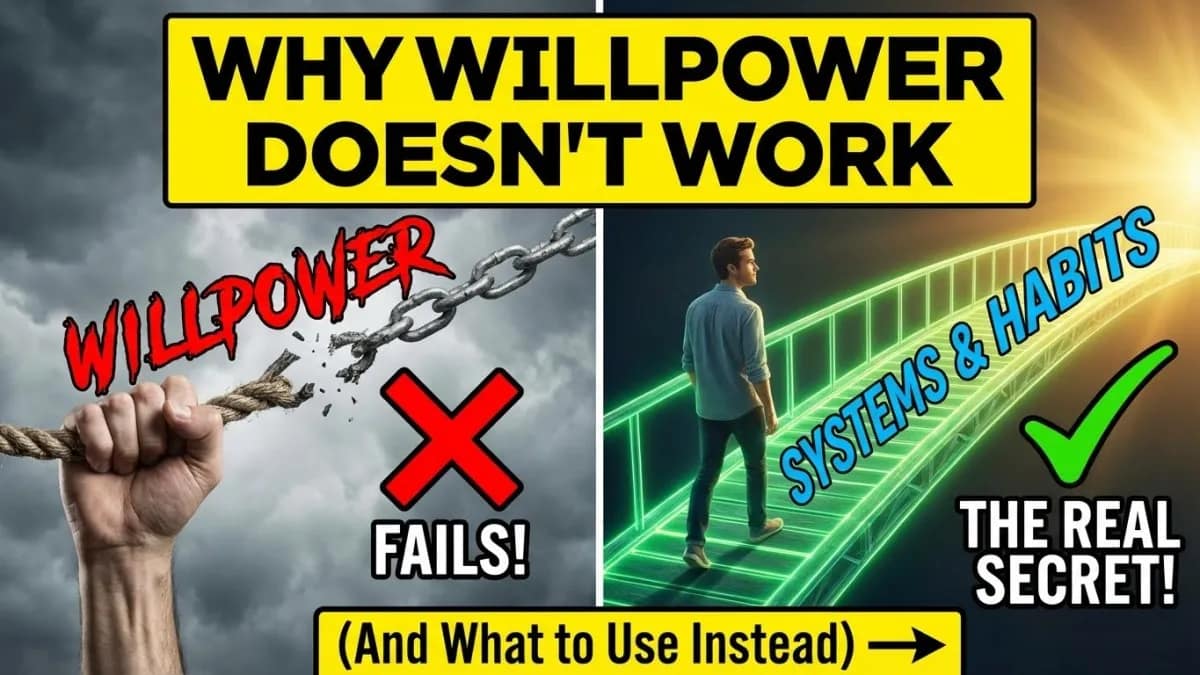
I’ve watched people try to use willpower alone. It doesn’t work when the temptation is one click away.
Make the bad choices hard and the good choices easy.
Pro Tip: The 5-Minute Rule
Here’s something I learned from people who succeeded at Monk Mode:
When you feel the urge to break your rules (check Instagram, watch YouTube, etc.), tell yourself you can do it—but only after sitting still for 5 minutes first.
No phone. No distraction. Just sit and notice the craving.
90% of the time, the urge passes. You realize you don’t actually want it—you’re just bored or avoiding something.
This simple trick has saved countless Monk Mode attempts from falling apart.
Common Monk Mode Mistakes
Mistake 1: Making It Too Extreme Too Fast
I’ve seen people cut out everything: friends, hobbies, all entertainment, even relaxation.
They burn out in 10 days.
Start with cutting social media and streaming. You can always go deeper later.
Mistake 2: No Clear Goals
“I’m going to be productive” isn’t a goal.
You need specific targets. Otherwise, you’re just isolating yourself with no purpose.
Mistake 3: Ignoring Rest and Recovery
Monk Mode isn’t about punishing yourself.
If you skip sleep to work more, you’ll crash. Hard.
Recovery is part of productivity.
Mistake 4: Not Tracking Progress
You need to see that your effort is working.
Use a simple spreadsheet or journal. Track your daily wins.
When you can see progress, you stay motivated.
Mistake 5: Having No Exit Plan
What happens when your 60 days end?
If you go straight back to your old habits, you’ll lose everything you gained.
Plan your transition. Decide which changes become permanent.
The Benefits I’ve Seen People Experience
Mental Clarity
Without constant notifications, your mind calms down.
You can think deeply again. Make better decisions. Feel less anxious.
Massive Progress on Goals
Three months of focused work beats three years of distracted effort.
I’ve watched people write entire books, lose 50 pounds, or build profitable businesses during Monk Mode.
Better Relationships (Yes, Really)
This seems backwards, but it’s true.
When you’re not constantly distracted, the time you do spend with people is higher quality.
You’re actually present. People notice.
Increased Confidence
There’s something powerful about proving to yourself that you can do hard things.
Every day you stick to your commitment, you trust yourself more.
New Habits That Stick
Monk Mode is like a reset button for your life.
Old patterns break. New ones form. When you exit Monk Mode, you’re not the same person.
The Downsides and Challenges
Social Isolation Can Be Hard
Humans are social creatures.
Going weeks without hanging out with friends affects some people more than others.
If you feel extremely lonely, that’s a sign you might need to adjust your approach.
FOMO (Fear of Missing Out)
Your friends are posting about parties, trips, and experiences.
You’re at home working on your goals.
Some days that feels worth it. Other days it doesn’t.
This is normal. The feeling passes.
The Risk of Burnout
If you push too hard without breaks, you’ll crash.
I’ve seen this destroy people’s Monk Mode attempts.
Build rest into your schedule. It’s not optional.
Relationship Strain
If you have a partner or close family, suddenly going into isolation mode can cause problems.
You need to communicate clearly and maybe adjust your boundaries.
Some people do “Monk Mode Lite” to keep important relationships healthy.
Who Should Try Monk Mode?
It Works Great For:
- People with a specific deadline or goal (launching a business, preparing for an exam)
- Anyone recovering from distraction addiction
- People who feel stuck and need a complete reset
- Individuals building a new career or skill
- Anyone who’s tried everything else and nothing worked
It’s Not Great For:
- People with a history of extreme social anxiety (isolation might make it worse)
- Anyone prone to obsessive or all-or-nothing thinking
- People whose jobs require constant social presence
- Individuals without clear goals (you’ll just be isolating for no reason)
Monk Mode vs. Other Productivity Methods
Monk Mode vs. Deep Work
Deep Work (by Cal Newport) is about focused work sessions.
Monk Mode is about restructuring your entire life for a period.
You can do Deep Work without Monk Mode. But Monk Mode includes Deep Work.
Monk Mode vs. Digital Detox
Digital detox is usually shorter (a weekend or week).
Monk Mode is longer and more comprehensive. It’s not just about screens.
Monk Mode vs. Regular Discipline
Regular discipline is sustainable forever.
Monk Mode is a sprint, not a marathon. It’s intense and temporary.
How to Know If It’s Working
Good Signs:
- You’re making measurable progress on your goals
- You feel less anxious and more focused
- You’re sleeping better
- You have more energy during the day
- You don’t miss the things you cut out as much as you thought
Warning Signs:
- You feel depressed or extremely isolated
- You’re not making any progress despite the effort
- Your physical or mental health is declining
- You’re becoming rigid or obsessive about the rules
- Important relationships are suffering badly
If you see warning signs, adjust. Monk Mode should improve your life, not damage it.
What Happens After Monk Mode?
The Transition Period
Don’t go from zero to everything overnight.
Add things back slowly. One social media app. One night out per week.
See what actually adds value to your life.
Keeping the Good Habits
Some changes should stay permanent:
- Morning routine (this sets your whole day up right)
- Regular deep work time (even just 2 hours daily)
- Phone boundaries (maybe keep TikTok deleted forever)
- Fitness habits (you worked hard for these)
Letting Go of Unsustainable Rules
You probably can’t live in extreme Monk Mode forever.
That’s okay. Take what worked. Leave what didn’t.
Periodic Monk Mode “Sprints”
Many people do Monk Mode once or twice a year.
It becomes a tool you use when you need intense focus for a specific goal.
Q: Can I do Monk Mode if I have a full-time job?
Yes. Most people who do Monk Mode work full-time. You just apply it to your non-work hours. Cut distractions in the evening and on weekends.
Q: Do I have to give up all social interaction?
No. You can do a modified version. Keep close friendships but skip parties and casual hangouts. Quality over quantity.
Q: What if I break my rules and check social media?
Don’t quit entirely. Acknowledge what happened, understand why, and continue. One slip doesn’t ruin everything. But if you keep breaking the same rule, maybe it’s too strict.
Q: Is Monk Mode healthy?
It can be if done right. You need adequate sleep, nutrition, and some social contact. If you’re feeling mentally unhealthy, adjust your approach or stop.
Q: How do I handle work events or required social obligations?
Go to truly important events (work meetings, family gatherings). Skip optional stuff. Be selective.
Q: Can I listen to music during Monk Mode?
Most people allow music, especially during work or exercise. Some cut it out. Your choice.
Q: Will I lose all my friends?
If you explain what you’re doing and it’s temporary (30-90 days), real friends will understand. If someone ends a friendship over this, they probably weren’t that close anyway.
Q: What’s the minimum time to see results?
You’ll notice changes in focus and energy within 7-10 days. Real progress on goals takes at least 30 days.
Q: Should I tell people I’m doing Monk Mode or keep it private?
Tell close friends and family so they understand. You don’t need to announce it to everyone. Some people prefer to keep it private.
Q: What if I have kids or family responsibilities?
Adjust accordingly. You can’t ignore your kids for 60 days. Apply Monk Mode principles to your available time. Even 2 hours of focused work daily adds up.
READ MORE:https://mrpsychics.com/silent-treatment-why-it-a-form-of-emotional-abuse/

Ahmed is a self-improvement and psychology writer passionate about helping people live smarter, calmer, and more productive lives.
- Ahmed manasiya

- Ahmed manasiya
- Ahmed manasiya
- Ahmed manasiya