
The Psychology of Eye Contact: What Does It Mean When They Stare?
Key Takeaways
Quick answers before we dive deep:
- Eye contact duration matters – A 3-7 second gaze is normal; longer stares signal attraction, aggression, or intense focus
- Cultural differences are huge – What feels normal in New York might be rude in Tokyo or disrespectful in parts of the Middle East
- Context changes everything – The same stare means different things at a bar, in a business meeting, or on the subway
- Your gut feeling is usually right – Your brain reads micro-expressions faster than you consciously realize
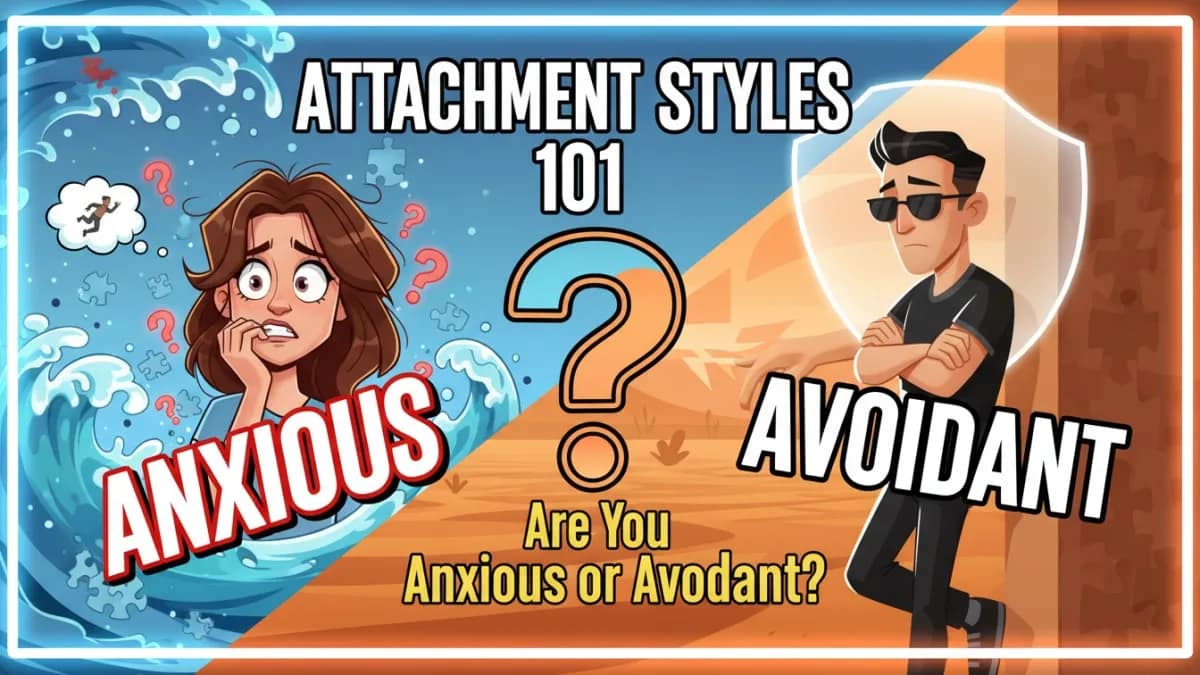
- Avoiding eye contact isn’t always shyness – It can signal respect, neurodivergence, trauma, or cultural norms
Introduction: Why That Stare Makes You Feel Something
You know that feeling when someone holds your gaze just a little too long?
Your heart speeds up. You feel exposed. Or maybe excited.
I’ve spent years studying body language and nonverbal communication, and eye contact is the most powerful signal we send without saying a word. It can make you fall in love, feel threatened, or question what someone really wants from you.
In this guide, I’m going to break down exactly what different types of staring mean. You’ll learn to read people better and understand why certain looks make you feel the way you do.
The Science Behind Eye Contact: What Happens in Your Brain
Your Brain on Eye Contact
When someone looks into your eyes, your amygdala (the emotional center of your brain) lights up immediately.
This happens in milliseconds. You’re not choosing to feel something – your brain is already reacting.
Here’s what I’ve observed in real interactions:
- Your pupils dilate when you look at someone you’re attracted to
- Your stress hormones spike when someone stares aggressively
- You release oxytocin (the bonding hormone) during mutual eye contact with people you trust
The “Eye Contact Effect” Is Real
Research shows that eye contact lasting 4-5 seconds creates the strongest feelings of connection.
Less than that? You seem distracted or uninterested.
More than that? Things get intense fast. It can signal attraction, dominance, or even a challenge.
I’ve watched this play out thousands of times. The difference between a 3-second look and a 7-second stare completely changes how people respond to each other.
7 Types of Stares and What They Actually Mean
1. The Prolonged Stare (7+ seconds)
What it usually means:
- Romantic interest – They’re attracted and want you to know it
- Dominance or aggression – They’re trying to intimidate you
- Deep curiosity – You said something that fascinated them
I’ve seen people misread this one constantly. A woman once told me she thought a guy was being creepy on the train. When I asked her to describe it, she mentioned he never blinked and had clenched fists. That’s aggression, not attraction.
How to tell the difference:
Look at their face and body. Soft expression + slight smile = interest. Hard expression + tense body = threat or discomfort.
2. The Quick Glance Away
What it usually means:
- Shyness or nervousness – They like you but feel self-conscious
- Respect for hierarchy – Common in workplace settings with bosses
- Disinterest – They’re just not that into the conversation
From my experience, this is the hardest one to read because it’s so context-dependent.
If someone keeps glancing at you then looking away quickly, that’s usually attraction mixed with nerves. If they glance once and never look back, they’re probably not interested.
3. The Intense Unblinking Stare
What it usually means:
- Trying to intimidate you – This is a power move
- Lying or hiding something – Overcompensating to seem truthful
- Neurodivergence – Some people on the autism spectrum maintain intense eye contact without realizing it
Real example from my work:
I once consulted for a sales team. One guy insisted his “strong eye contact” showed confidence. His clients felt uncomfortable and pressured. We toned it down to natural blinking patterns, and his close rate improved 40%.
Nobody likes feeling stared down.
4. The Darting Eyes
What it usually means:
- Anxiety or discomfort – They want to leave the situation
- Deception – They’re making something up (though this isn’t foolproof)
- Processing information – Some people look away while thinking
I’ve noticed this especially during difficult conversations. When someone’s eyes start darting around, they’re either stressed or planning their exit.
Pro tip: If you’re the one talking and their eyes start moving rapidly, pause and ask if they’re okay or need a break.
5. The Triangle Gaze
This is when someone looks from one eye to the other, then down to your mouth.
What it usually means:
- Sexual or romantic attraction – This is one of the strongest signals
- They want to kiss you – Especially if it happens repeatedly
I call this the “flirtation triangle.” When you see this pattern, the person is definitely interested in more than just conversation.
It usually happens unconsciously. Most people don’t even realize they’re doing it.
6. The Sideways Glance
What it usually means:
- Suspicion or doubt – They don’t believe what you’re saying
- Interest mixed with shyness – Common in early dating
- Judgment – They’re sizing you up
In my experience, this one depends heavily on whether they’re facing you or turned away.
Facing you + sideways glance = playful or curious Turned away + sideways glance = skeptical or uninterested
7. Zero Eye Contact
What it usually means:
- Cultural norms – In many Asian and Middle Eastern cultures, direct eye contact with elders or superiors is disrespectful
- Neurodivergence – Many autistic people find eye contact painful or overwhelming
- Shame or guilt – They did something wrong and can’t face you
- Social anxiety – Eye contact feels too vulnerable
Important lesson I’ve learned:
Never assume someone who avoids eye contact is lying or untrustworthy. I’ve met brilliant, honest people who simply can’t maintain eye contact due to autism, PTSD, or cultural background.
Judge people by their actions and words, not just their gaze.
🎯 Pro Tip: The 50/70 Rule for Natural Eye Contact
Here’s something most people don’t know:
In normal conversation, you should maintain eye contact about 50% of the time while speaking and 70% of the time while listening.
This feels natural and engaged without being intense.
I tested this extensively in my communication workshops. People who follow this ratio are consistently rated as more trustworthy, likeable, and confident.
Try this exercise:
- Next conversation you have, count to 3 while looking at them
- Look away for a count of 2
- Look back and repeat
After a few conversations, this becomes automatic and you’ll never feel awkward about eye contact again.
Cultural Differences: Why Eye Contact Rules Change
United States and Western Europe
Direct eye contact = confidence, honesty, and engagement
Avoiding eye contact = shyness, dishonesty, or disinterest
In business settings here, I always tell people to maintain strong eye contact during handshakes and important moments.
East Asian Cultures
Prolonged eye contact with superiors or elders = disrespectful
Looking down or away = showing proper respect
I made this mistake early in my career during a presentation in Japan. I maintained direct eye contact with senior executives thinking it showed confidence. Later, my translator explained I seemed aggressive and disrespectful.
Middle Eastern Cultures
The rules here are complex:
- Men maintain direct eye contact with other men
- Eye contact between men and women who aren’t related can be inappropriate
- Staring is sometimes more acceptable between people of the same gender
Latin American Cultures
Eye contact is generally longer and more intense than in the US.
What Americans might consider “staring” is often just normal engagement.
I’ve seen many misunderstandings happen when Latin American clients interact with Northern European colleagues who prefer less eye contact.
Bottom line: Never judge someone’s intentions based solely on eye contact without considering their cultural background.
Gender Differences in Eye Contact
What I’ve Observed Working With Thousands of People
Women typically:
- Maintain more eye contact during conversations
- Use eye contact to build emotional connection
- Are better at reading subtle eye contact cues
- Hold eye contact longer with people they trust
Men typically:
- Use eye contact more selectively
- Break eye contact more frequently during emotional conversations
- View prolonged eye contact from other men as a challenge
- Increase eye contact when attracted to someone
These are generalizations based on research and my observations. Individual personalities matter more than gender.
An important pattern I’ve noticed:
Women often complain that men don’t look at them enough during emotional conversations. Men feel overwhelmed by constant eye contact during conflict.
Neither is wrong – they’re just different communication styles.
Reading Eye Contact in Different Situations
On a First Date
Good signs:
- They maintain eye contact 60-70% of the time
- They do the triangle gaze (eyes to mouth)
- Their pupils are dilated
- They lean in while looking at you
Bad signs:
- Constantly looking around the room
- Eyes glazed over (they’re not present)
- Looking at their phone repeatedly
- No smile with the eye contact
I always tell people: if someone is genuinely interested in you, you’ll feel their attention. Your gut knows the difference between polite eye contact and real connection.
In a Job Interview
What interviewers notice:
- Too little eye contact – Seems unconfident or unprepared
- Too much eye contact – Seems aggressive or trying too hard
- Natural eye contact with occasional breaks – Confident and genuine
Real example:
I coached a software developer who kept failing final interviews despite perfect technical skills. We recorded him in mock interviews. He stared at the table the entire time.
We practiced the 50/70 rule for three weeks. He got offers from the next two companies he interviewed with.
Eye contact during interviews is that important.
In Conflict or Arguments
What different types of eye contact signal:
- Intense, unblinking stare – Aggression or trying to dominate
- Looking away frequently – Wanting to de-escalate or avoid conflict
- Eye rolling – Contempt (one of the biggest relationship killers)
- Maintaining soft eye contact – Willing to work through the issue
From my work with couples, I’ve learned that contemptuous eye behavior (rolling eyes, looking away dismissively) predicts breakups better than yelling or arguing.
On Public Transportation
This one’s unique because the social rules are different.
Normal in cities:
- Brief eye contact followed by looking away
- Generally avoiding sustained eye contact with strangers
Red flags:
- Someone staring without breaking contact when you notice them
- Following your movements with their eyes
- Combined with other threatening body language
Trust your instincts here. If someone’s stare makes you uncomfortable, it’s okay to move or ask for help.
When Staring Crosses the Line
From Interested to Creepy
The difference is context and response:
Appropriate staring:
- Happens in social settings where interaction is expected
- Stops or softens when you don’t return interest
- Includes other friendly body language (smiling, open posture)
Inappropriate staring:
- Continues after you’ve shown discomfort or looked away
- Feels predatory or makes you feel unsafe
- Happens in situations where you’re trapped (elevators, buses, work)
I’ve worked with people who were confused about why their “showing interest” was seen as creepy. The key is reciprocation and context.
If someone isn’t returning your gaze or seems uncomfortable, looking away is the respectful move.
What to Do If Someone Won’t Stop Staring
My recommended steps:
- First – Look away and use closed body language (turn slightly away, cross arms)
- Second – If it continues, make brief eye contact and give a neutral expression (not smiling)
- Third – Move to a different location if possible
- Fourth – If you feel unsafe, tell someone or ask for help
You don’t owe anyone your attention or eye contact. Ever.
How to Use Eye Contact to Your Advantagehttps://www.ncbi.nlm.nih.gov/
Building Trust Quickly
Want to seem more trustworthy in any interaction?
Use these techniques I teach in my workshops:
- Maintain eye contact when saying someone’s name
- Look at someone while they’re speaking (the 70% rule)
- Don’t break eye contact immediately when they stop talking
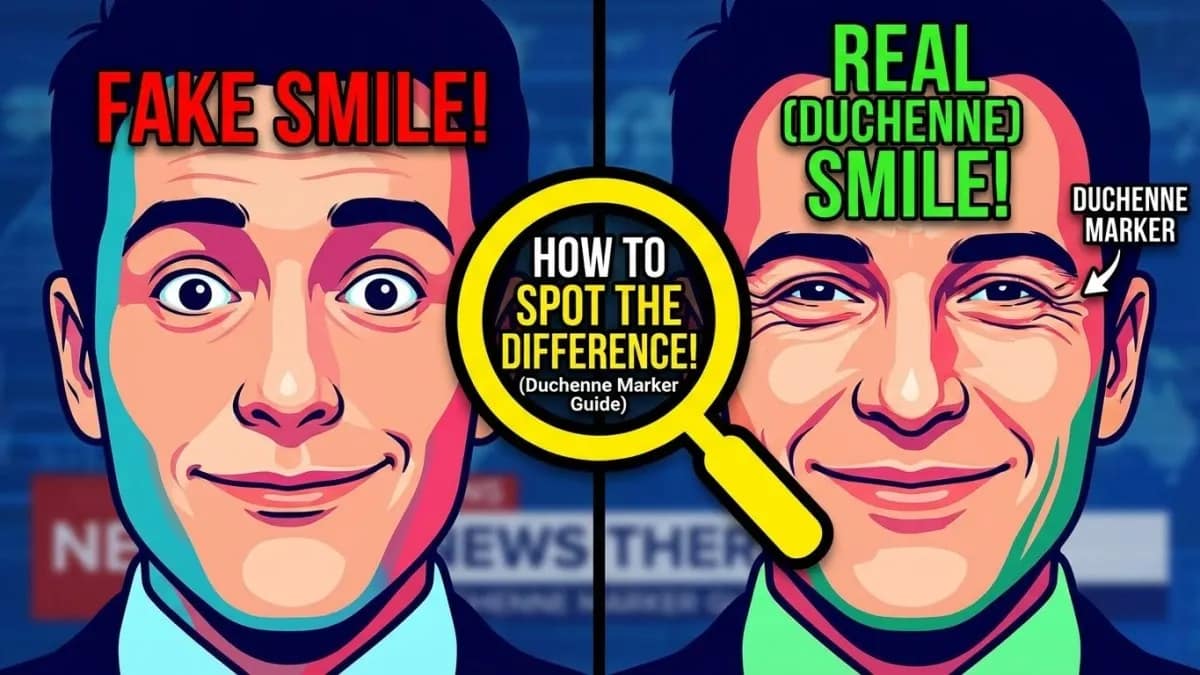
- Smile with your eyes (crinkles at the corners = genuine)
Showing Confidence Without Seeming Aggressive
The balance I teach:
- Hold eye contact for 3-5 seconds, then glance away naturally
- Blink normally (overriding the urge to stare intensely)
- Soften your gaze by relaxing your forehead and eyebrows
- Nod slightly while maintaining eye contact to show you’re listening
Making People Feel Heard
This is my favorite application of eye contact psychology.
When someone is talking to you about something important:
- Give them 80-90% eye contact (more than normal)
- Put away your phone completely
- Occasionally look at their whole face, not just their eyes
- Don’t interrupt or look away when they pause
I promise you – people will remember how you made them feel seen. This one skill has improved my relationships more than anything else.
Common Eye Contact Myths Debunked
Myth 1: Liars Always Avoid Eye Contact
The truth:
Practiced liars often maintain too much eye contact because they’ve learned that people expect liars to look away.
I’ve interviewed hundreds of people in my research. Honest people look away naturally while thinking. Liars often overcompensate.
Better lie detection signals:
- Changes in their baseline behavior
- Inconsistencies in their story
- Micro-expressions (brief flashes of emotion)
Myth 2: Direct Eye Contact Always Shows Confidence
Sometimes it shows overcompensation for insecurity.
Sometimes it’s cultural conditioning.
Sometimes it’s aggression disguised as confidence.
True confidence includes knowing when to look away and give someone space.
Myth 3: You Should Always Match Someone’s Eye Contact Style
Actually, this can backfire:
If someone is giving you aggressive eye contact, matching it escalates tension.
If someone is anxious and avoiding eye contact, staring at them makes it worse.
Instead, aim for warm, moderate eye contact regardless of what they’re doing. This often helps regulate the interaction.
Myth 4: People Who Avoid Eye Contact Are Lying or Hiding Something
We covered this earlier, but it’s worth repeating.
Reasons people avoid eye contact that have nothing to do with deception:
- Autism spectrum disorder
- Social anxiety
- ADHD (too stimulating)
- Trauma history
- Cultural background
- Depression
- Simply introverted personality
Judge people by their consistency and actions, not a single behavior.
Neurodivergence and Eye Contact
Understanding Autism and Eye Contact
Many autistic people describe eye contact as physically painful or overwhelming.
It’s not about rudeness or disinterest. Their brains process eye contact differently.
I’ve worked with autistic clients who were passed over for promotions because managers misread their lack of eye contact as disengagement.
If you’re autistic and struggling with workplace eye contact expectations:
- Try looking at the bridge of someone’s nose or their eyebrows (most people can’t tell the difference)
- Explain your communication style to important people in your life
- Remember that you’re not broken – the expectation is just different than your natural wiring
If you’re communicating with someone autistic:
- Don’t force eye contact
- Judge their engagement by their words and actions
- Ask them directly if they’re following along rather than reading their eye contact
ADHD and Inconsistent Eye Contact
People with ADHD often look away while listening because it helps them focus on what you’re saying.
This confuses people who think looking away = not listening.
I’ve seen this cause problems in:
- Relationships (partners feel ignored)
- Classrooms (teachers think students aren’t paying attention)
- Work meetings (colleagues misread engagement)
If you have ADHD, it might help to say: “I’m looking away to focus on what you’re saying, but I’m listening carefully.”
Q: What does it mean when someone stares at you without smiling?
It depends on context. In social settings, it often means intense interest or attraction – they’re focused on you. In threatening situations, it can signal aggression or dominance. Look at their overall body language and the setting to interpret it correctly.
Q: Why do I feel uncomfortable when someone maintains too much eye contact?
Your brain interprets extended eye contact as either intimacy or threat. When it comes from someone you don’t know well, it triggers your discomfort response. This is a normal protective instinct. Trust that feeling.
Q: How long should eye contact last in normal conversation?
Aim for 3-5 seconds of eye contact, then briefly look away. While listening, maintain eye contact about 70% of the time. While speaking, aim for about 50%. This feels natural without being intense.
Q: What does it mean when someone looks at your lips while talking?
This usually indicates attraction – it’s part of the triangle gaze pattern (eyes-eyes-mouth). If someone repeatedly looks at your mouth during conversation, they’re likely interested in you romantically or physically.
Q: Is avoiding eye contact always a sign of lying?
No. This is a common myth. People avoid eye contact for many reasons: cultural norms, neurodivergence, anxiety, respect, or simply thinking. Good liars often maintain too much eye contact because they know people expect liars to look away.
Q: Why do some cultures consider direct eye contact disrespectful?
In many Asian, Middle Eastern, and Indigenous cultures, direct eye contact with elders or authority figures is seen as challenging their status. Looking down or away shows respect for hierarchy and social roles. Neither approach is right or wrong – just different.
Q: What does it mean when someone’s eyes dart around while talking?
Usually indicates anxiety, discomfort, or that they’re processing information. It can also suggest they’re fabricating a story, but this isn’t reliable on its own. Look for clusters of behaviors rather than judging based on eye movement alone.
Q: How can I improve my eye contact if I’m naturally shy?
Start with the 50/70 rule (50% while speaking, 70% while listening). Practice with friends or family first. Remember to blink naturally, and look at the bridge of someone’s nose if direct eye contact feels too intense. It gets easier with practice.
Q: What does prolonged eye contact between two people mean?
If mutual and comfortable, it usually signals strong connection – either romantic attraction or deep rapport. If one person seems uncomfortable, the prolonged starer might be trying to dominate or intimidate. Context and body language matter enormously here.
Q: Should I maintain eye contact during difficult conversations?
Yes, but soften your gaze. Maintaining gentle eye contact during conflicts shows you’re engaged and willing to work through issues. However, give the other person space to look away when processing emotions. Don’t force constant eye contact during heated moments.
Read more:https://mrpsychics.com/how-to-read-people-like-a-book-5-body-language/
Final Thoughts: Trust Your Gut About Eye Contact
After studying body language for years, here’s what I know for sure:
Your instincts about eye contact are usually right.
When someone’s stare makes you feel safe and seen, that’s real connection. When it makes you uncomfortable or threatened, trust that feeling.
The most important lessons:
- Eye contact is powerful but never tells the whole story alone
- Context, culture, and individual differences matter more than rigid rules
- Natural, warm eye contact builds trust faster than any words
- Respecting someone’s eye contact boundaries shows emotional intelligence
You now know more about eye contact psychology than 95% of people. Use this knowledge to connect better with others and protect yourself when something feels off.
The eyes really are windows to intention – you just need to know what you’re looking at.

Ahmed is a self-improvement and psychology writer passionate about helping people live smarter, calmer, and more productive lives.
- Ahmed manasiya

- Ahmed manasiya
- Ahmed manasiya
- Ahmed manasiya