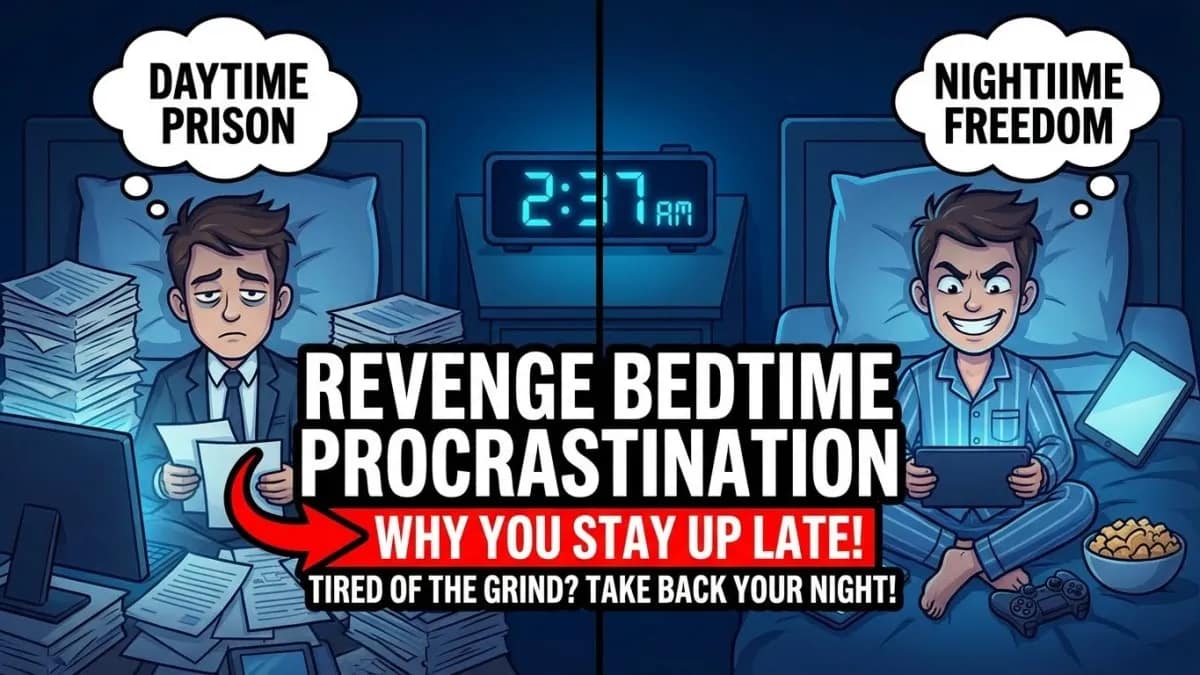

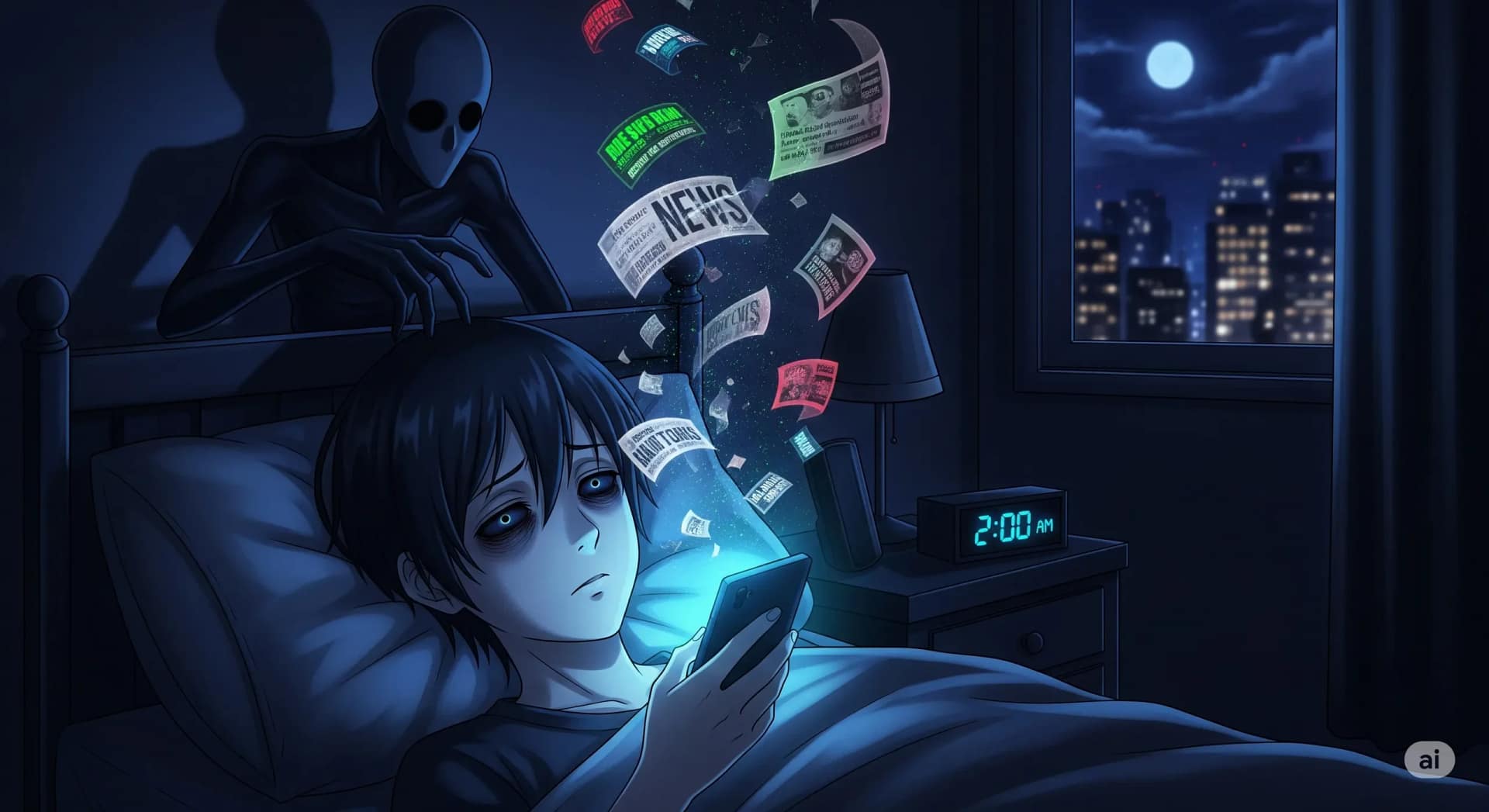
You open your phone to check one thing—and 30 minutes later, you’re deep into bad news again. Sound familiar? This isn’t just a lack of willpower; it’s a phenomenon known as doomscrolling, and it’s become an increasingly common habit in our hyper-connected world. It’s that compulsive urge to continuously consume negative news and distressing content online, even when it leaves you feeling worse than before.
But why do we do it? What psychological mechanisms keep us hooked on a cycle that often leaves us anxious, stressed, and overwhelmed? In this article, we’ll dive deep into the fascinating (and sometimes unsettling) psychology behind doomscrolling, exploring the brain’s reward systems, our inherent biases, and the triggers that pull us in. More importantly, we’ll equip you with practical, research-backed strategies to break free from the scroll and reclaim your focus and mental well-being.
What is Doomscrolling?
Doomscrolling, sometimes referred to as doomsurfing, is the act of spending an excessive amount of time consuming negative or distressing news and content online, often through social media feeds or news websites [1]. It’s characterized by a compulsive, almost automatic, urge to keep scrolling, even when the information being consumed is saddening, disheartening, or anxiety-inducing.
The term itself gained significant traction around 2020, amidst global crises like the COVID-19 pandemic, political unrest, and social upheavals. As people sought to stay informed about rapidly evolving events, the constant stream of alarming updates on social media platforms and news sites made it easy to fall into this pattern. The always-on nature of smartphones and the algorithmic feeds of social media further amplified the behavior, making it a pervasive habit for many.
[1] https://www.dictionary.com/browse/doomscrolling
The Psychology Behind It
Understanding why we doomscroll requires a look into some fundamental aspects of human psychology and brain function:
Reward Systems & Dopamine Loops
Our brains are wired for novelty and information. When we encounter new information, especially something that piques our curiosity, our brain releases dopamine, a neurotransmitter associated with pleasure and reward [2]. This creates a powerful feedback loop: the act of scrolling and discovering new content, even if it’s negative, provides small hits of dopamine, reinforcing the behavior. Social media algorithms are expertly designed to exploit this, offering an endless stream of content that keeps us hooked, constantly anticipating the next piece of information.
Negativity Bias: Why Bad News Hooks Us
Humans have an inherent negativity bias, a cognitive phenomenon where we tend to give more attention and weight to negative experiences and information than to positive ones [3]. From an evolutionary perspective, this made sense: being highly attuned to threats and dangers was crucial for survival. In the modern world, this bias means that alarming headlines and distressing stories are more likely to capture and hold our attention. News outlets and social media platforms, often driven by engagement metrics, inadvertently (or sometimes intentionally) capitalize on this by prioritizing negative or sensational content.
The Illusion of Control or Staying Informed
One of the most compelling psychological drivers of doomscrolling is the illusion of control. In times of uncertainty or crisis, consuming more information can create a false sense of preparedness or control over uncontrollable events [4]. We might believe that by staying constantly updated, we are better equipped to handle potential threats or that we are fulfilling a civic duty to be informed. However, this often leads to an endless, unfulfilling quest for closure that never arrives, as there’s always more information to consume.
Psychological Triggers: Anxiety, Uncertainty, and Boredom
Beyond these core mechanisms, several psychological states can trigger and perpetuate doomscrolling:
- Anxiety and Uncertainty: When we feel anxious or uncertain about the future, our brains seek information to reduce that discomfort. Doomscrolling can become a maladaptive coping mechanism, a way to try and make sense of a chaotic world, even if it ultimately exacerbates anxiety [5].
- Boredom: In moments of idleness, reaching for our phones has become an almost automatic response. Doomscrolling fills these gaps, providing a quick, albeit often unfulfilling, distraction from boredom [6].
How Doomscrolling Affects Mental Health
While the urge to stay informed is natural, prolonged exposure to negative news can have significant detrimental effects on our mental well-being:
- Increased Anxiety and Stress: This is perhaps the most immediate and obvious impact. Constant immersion in distressing news can trigger and worsen feelings of anxiety, panic, and stress [7]. Our bodies respond to perceived threats, and a continuous stream of bad news keeps our nervous systems in a heightened state of alert.
- Sleep Disruption: The blue light emitted from screens, combined with the stimulating and often anxiety-provoking content, can interfere with melatonin production, making it harder to fall asleep and reducing sleep quality [8]. Many people find themselves doomscrolling late into the night, further exacerbating sleep problems.
- Reduced Attention Span: Social media feeds and news aggregators are designed for quick consumption of bite-sized information. This constant jumping from one piece of content to another can train our brains for superficial engagement, leading to a reduced ability to focus on longer tasks or deep work [9].
- Increased Hopelessness or Fatigue: When faced with an overwhelming amount of negative information, individuals can develop feelings of helplessness, cynicism, and even existential despair [10]. This can lead to emotional fatigue, a sense of detachment, and a belief that positive change is impossible.
How to Stop Doomscrolling
Breaking the doomscrolling habit isn’t about ignoring the world, but about engaging with it more intentionally. Here are actionable tips to help you regain control:
- Set Time Limits for Social Media and News Apps: Most smartphones have built-in digital well-being tools that allow you to set daily time limits for specific apps. Once the limit is reached, the app will lock you out. Start with a realistic limit (e.g., 30 minutes per day for news apps) and gradually reduce it [11].
- Turn Off Push Notifications: Notifications are designed to pull you back into apps. Disabling push notifications for news, social media, and other potentially triggering apps can significantly reduce the urge to check your phone compulsively. You can still check for updates when you choose to, rather than being interrupted by them.
- Use Grayscale Mode at Night: Blue light from screens can disrupt your sleep. Many phones offer a grayscale mode (or a similar feature like Night Shift on iOS or Night Light on Android) that removes color from your screen. This makes your phone less stimulating and can reduce the appeal of endless scrolling, especially before bed.
- Replace with Mindful Habits: When you feel the urge to doomscroll, consciously replace that habit with a more mindful and beneficial activity. This could include:
- Journaling: Write down your thoughts and feelings, especially any anxieties triggered by news.
- Reading: Pick up a physical book or an e-reader. Choose content that is uplifting, educational, or simply entertaining.
- Mindful Movement: Take a short walk, stretch, or practice a few minutes of yoga.
- Connect with Others: Call a friend or family member, or engage in a face-to-face conversation.
- Engage in a Hobby: Dive into a creative pursuit, a craft, or anything that requires your full attention.
A Relatable Mini-Routine to Follow:
Try this:
- Acknowledge the Urge: When you feel the pull to scroll, pause and acknowledge it. Say to yourself, “I’m feeling the urge to doomscroll right now.”
- Ask Yourself Why: Are you bored? Anxious? Seeking distraction? Understanding the trigger can help you choose a better alternative.
- Choose an Alternative: Instead of opening that news app, pick one mindful habit from the list above. For example, “I will read a chapter of my book for 15 minutes.”
- Set a Timer: Commit to the alternative activity for a set period. This helps build the new habit.
- Reflect: After the timer goes off, notice how you feel. Likely, you’ll feel more refreshed and less drained than after a doomscrolling session.
Bonus: Tools to Help Break the Habit
Beyond manual adjustments, several apps can act as powerful allies in your quest to curb doomscrolling and foster healthier digital habits:
- Forest: This popular app gamifies focus. When you want to concentrate, you plant a virtual tree. If you leave the app before your set time is up, your tree withers. This simple mechanism encourages you to stay off your phone and can be a great motivator to avoid mindlessly opening social media or news apps [12].
- One Sec: This app introduces a deliberate friction point. When you try to open a distracting app, One Sec forces you to take a deep breath or wait for a few seconds before it launches. This small delay is often enough to break the automatic habit and give you a moment to reconsider if you truly want to open that app [13].
- Digital Wellbeing (Android) / Screen Time (iOS): These are built-in features on most modern smartphones. They provide detailed insights into your app usage, allow you to set app timers, schedule downtime, and manage notifications. Regularly reviewing your usage data can be a powerful motivator for change, and the ability to set hard limits can prevent accidental doomscrolling [14].
Conclusion
Doomscrolling is a normal, albeit often unhealthy, response to an overwhelming digital world. It taps into our innate psychological wiring, making it a tough habit to break. But remember, it’s not about completely disconnecting; it’s about cultivating intentional screen time. By understanding the psychology behind it and implementing practical strategies, you can reclaim your focus, reduce anxiety, and foster a more mindful relationship with your digital devices.
Which tip will you try first? Share your experience below.
FAQ Section
What is doomscrolling?
Doomscrolling is the act of continuously consuming negative or distressing news and content online, often through social media feeds or news websites, even when it makes you feel worse.
Why is doomscrolling addictive?
Doomscrolling can be addictive because it taps into our brain’s reward system. Each new piece of information, even if negative, can trigger a small release of dopamine, creating a compulsive feedback loop. Additionally, the negativity bias makes us more attuned to bad news, and the illusion of control can make us feel like staying informed helps us manage uncertainty.
Can doomscrolling cause anxiety?
Yes, doomscrolling can significantly increase anxiety and stress. Constant exposure to distressing news keeps our nervous systems in a heightened state of alert, leading to increased feelings of worry, panic, and overall psychological distress. It can also worsen existing mental health conditions.

Ahmed is a self-improvement and psychology writer passionate about helping people live smarter, calmer, and more productive lives.
- Ahmed manasiya

- Ahmed manasiya
- Ahmed manasiya
- Ahmed manasiya