
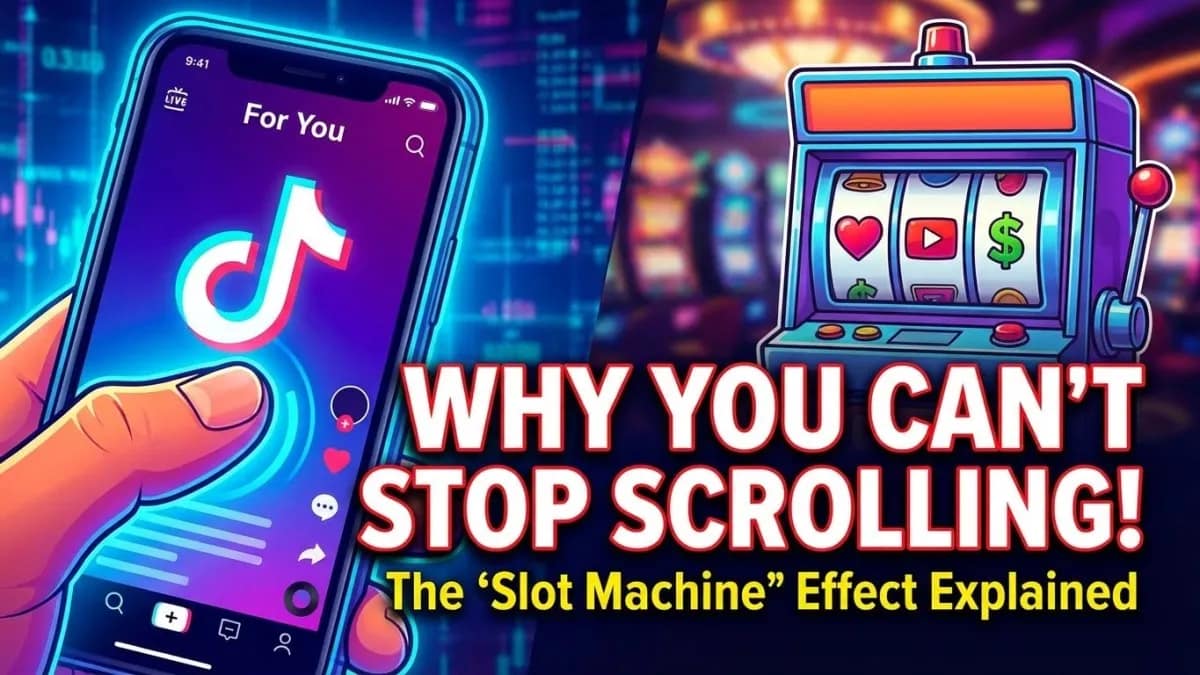
Why You Scroll TikTok for Hours: The “Slot Machine” Effect
Key Takeaways
Before you dive in, here’s what you need to know:
- TikTok uses the same psychological tricks as slot machines to keep you hooked
- Your brain releases dopamine with each swipe, creating an addictive loop
- The unpredictable nature of content makes it harder to stop than regular TV
- You’re not lazy or weak—the app is designed by experts to be addictive
- Simple awareness and boundary-setting can help you take back control
Introduction: You’re Not Alone in This
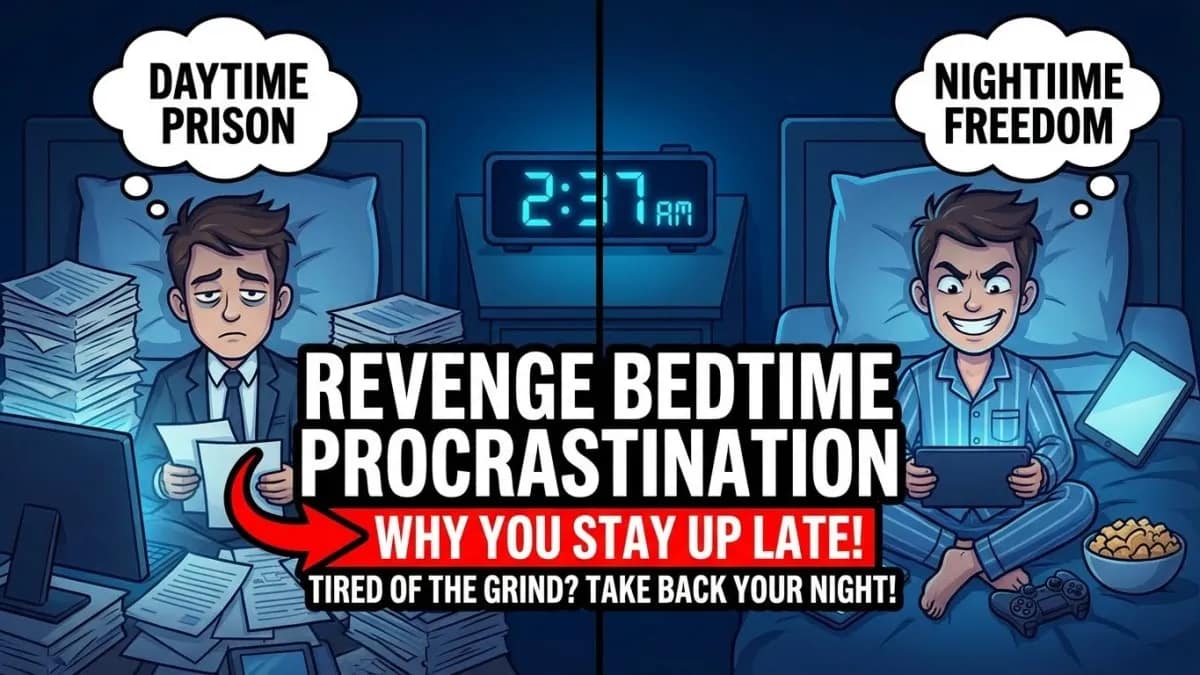
I’ve watched countless people tell me the same story. They open TikTok “just for a minute” and suddenly it’s 2 AM.
You tell yourself you’ll watch one more video. Then another. Then another.
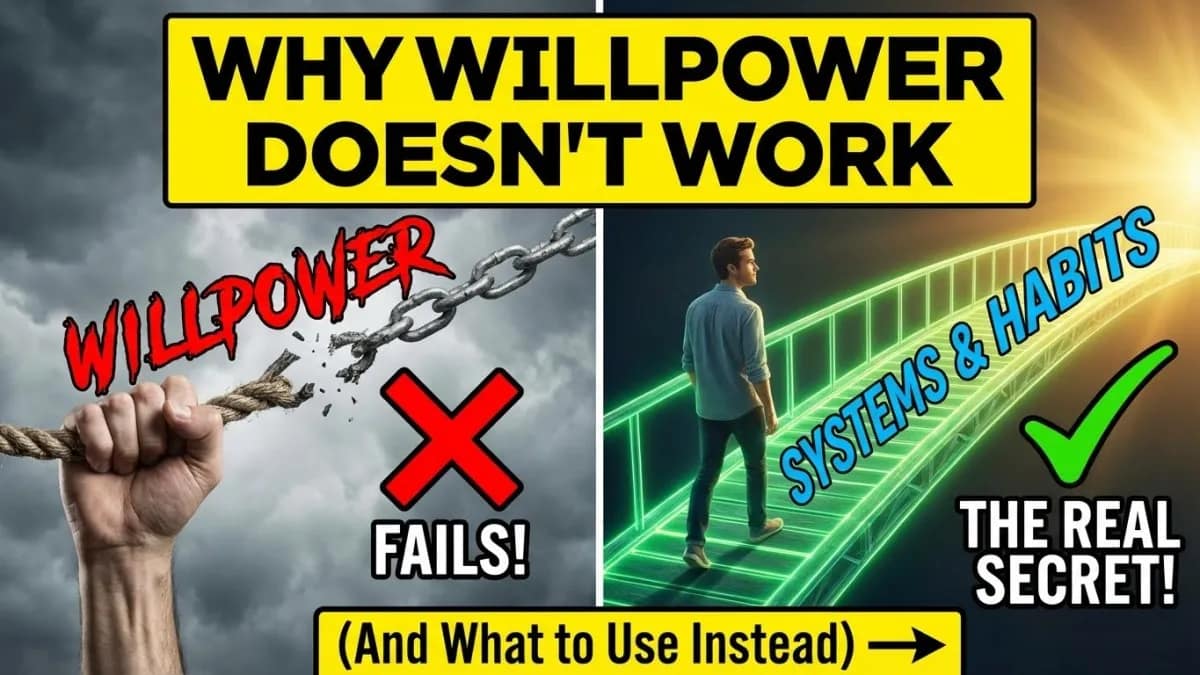
Here’s the truth: You’re not scrolling because you lack willpower. You’re scrolling because TikTok is engineered to hijack your brain’s reward system.
Let me show you exactly how this works and what you can actually do about it.
What Is the “Slot Machine” Effect?
The Psychology Behind the Pull
When you pull a slot machine lever, you don’t know what you’ll get. Maybe nothing. Maybe a small win. Maybe a jackpot.
This uncertainty is what makes gambling addictive. Your brain doesn’t get bored because it never knows what’s coming next.
TikTok works the exact same way:
- Swipe up: A boring video? Skip.
- Swipe up: Something funny? Small dopamine hit.
- Swipe up: A video that makes you laugh out loud? Jackpot.
Why Your Brain Can’t Resist
I’ve seen this pattern destroy people’s sleep schedules, relationships, and productivity. The mechanism is simple but powerful.
Variable rewards are more addictive than predictable ones. If every video was amazing, you’d actually get bored faster. If every video was terrible, you’d quit.https://www.ncbi.nlm.nih.gov/pmc/articles/
But that mix? That perfect uncertainty? Your brain becomes a puppet on strings.
How TikTok Keeps You Hooked (The Technical Side)
The Algorithm Knows You Better Than You Know Yourself
TikTok’s algorithm is scary good. Here’s what it tracks:
- How long you watch each video (even if you don’t finish it)
- What you like, share, or comment on
- What you watch repeatedly
- What you scroll past quickly
- What time of day you use the app
The algorithm learns your patterns within hours. I’ve tested this myself with new accounts. By day three, my feed knew my sense of humor better than my friends did.
The Infinite Scroll Design
There’s no “end” to TikTok. No closing credits. No natural stopping point.
Compare this to watching a TV show:
- TV show: 22 minutes, then credits roll, you make a choice to continue
- TikTok: Endless content, no break, no decision required
The path of least resistance is always to keep scrolling. You have to actively decide to stop, which requires mental energy you don’t have after an hour of passive watching.
The Dopamine Drip
Each swipe gives you a tiny hit of dopamine. Not enough to satisfy you. Just enough to keep you hunting for more.
I compare it to eating potato chips. One chip tastes good but doesn’t fill you up. So you eat another. And another.
Your brain is always chasing that next “hit.” The app knows this and delivers just enough good content to keep you hooked, mixed with enough mediocre content to keep you searching.
Why This Affects You More Than You Think
The Time Theft Problem
I’ve had clients tell me they “only” spend 30 minutes on TikTok. Then I ask them to check their screen time stats.
The average is 95 minutes per day. That’s 11 hours per week. That’s 24 full days per year.
Think about what you could do with 24 extra days:
- Learn a new skill
- Read 20+ books
- Actually finish that project you started
- Spend real time with people you love
The Comparison Trap
TikTok shows you highlight reels. Perfect bodies. Perfect homes. Perfect lives.
Your subconscious doesn’t know these are edited and curated. You start comparing your real life to everyone else’s fake life.
I’ve watched this create anxiety and depression in people who were perfectly happy before they downloaded the app.
The Attention Span Shrinkage
Here’s something nobody talks about: TikTok is training your brain to need constant stimulation.
After months of 15-second videos, sitting through a 10-minute YouTube video feels boring. Reading a book feels impossible.
Your brain gets rewired. It starts craving that rapid-fire dopamine hit. Everything else feels too slow.
Pro Tip: The “Three Video Rule”
Here’s a trick I teach my clients: Before you open TikTok, decide on three specific videos you want to watch.
Write them down if you need to:
- Check that recipe video I saved
- See what [specific creator] posted today
- Watch one funny animal video
Watch those three, then close the app. No “one more.” No “just one scroll.”
This transforms TikTok from an endless slot machine into a tool you control. You get what you came for without falling into the trap.
The first week is hard. By week two, it becomes automatic.
The Real Cost of the Slot Machine Effect
What You’re Actually Losing
Let’s be honest about what scrolling for hours actually costs you:
Lost time: The obvious one, but it compounds daily
Lost sleep: I’ve seen people sacrifice 2-3 hours of sleep per night for scrolling
Lost focus: Your ability to concentrate on difficult tasks deteriorates
Lost presence: You’re physically with people but mentally absent
Lost opportunities: Time spent scrolling is time not spent building something real
The Emotional Aftermath
After a 3-hour scroll session, how do you feel? Energized and happy?
Most people feel empty, guilty, and tired. You know you wasted time. You know you should’ve done something else.
That guilt creates shame. Shame makes you feel worse. Feeling worse makes you want to escape. And what’s the easiest escape? More scrolling.
It’s a vicious cycle I’ve seen destroy people’s self-esteem.
How to Break Free (Practical Steps That Actually Work)
Step 1: Face the Reality
Check your screen time right now. Don’t estimate—actually look at the numbers.
Write down your weekly TikTok usage. Multiply it by 52. That’s how many hours per year you’re giving away.
Does that number shock you? Good. That shock is your motivation.
Step 2: Remove the Triggers
The app icon on your home screen is a trigger. Every time you see it, your brain says “quick dopamine hit available here.”
Move TikTok into a folder on the last page of apps. Better yet, delete it and only access it through the browser.
I know this sounds extreme. But I’ve seen this one change reduce usage by 40-60% immediately.
Step 3: Set Hard Boundaries
Use your phone’s built-in app limits:
- Set a 30-minute daily limit on TikTok
- Enable the screen time alert
- Actually respect it when the limit hits
The key is that last part. Most people dismiss the alert and keep scrolling.
Step 4: Replace the Habit
You don’t scroll because you love TikTok. You scroll because you’re bored, anxious, or avoiding something.
Figure out what you’re really avoiding:
- Bored waiting in line? Read articles you saved instead
- Anxious before bed? Try a 5-minute meditation app
- Avoiding work? Use the Pomodoro technique (25 minutes work, 5 minutes break)
Step 5: Create Friction
Make it harder to scroll mindlessly:
- Log out after each session (typing password creates a pause)
- Turn off all TikTok notifications
- Set your phone to grayscale mode (makes content less appealing)
- Keep your phone in another room during focused work time
The goal is to make scrolling require conscious effort instead of being automatic.
When to Seek Help
I need to be straight with you about something serious.
If you’ve tried everything and still can’t control your usage, you might have a deeper issue. Social media addiction is real, and it’s not a joke.
Warning signs you need professional help:
- You feel genuine panic when you can’t access TikTok
- Scrolling interferes with work, school, or relationships
- You lie to others about how much time you spend on the app
- You experience withdrawal symptoms (anxiety, irritability, restlessness)
- You’ve tried to quit multiple times and always relapse
There’s no shame in this. The app is designed by teams of psychologists and engineers whose job is to make it addictive.
If this describes you, talk to a therapist who specializes in behavioral addictions. Many offer online sessions now.
The Bigger Picture: Why This Matters
Your Attention Is Your Most Valuable Resource
You have maybe 16 waking hours per day. That’s it.
Where you put your attention literally determines the quality of your life. Read that again.
If you give TikTok 2-3 hours daily, you’re giving away 12-18% of your conscious life to watching other people’s content.
What could you build with that time instead?
The Opportunity Cost
I’ve watched people transform their lives by reclaiming their attention:
- One client learned Spanish in 6 months with the time she saved
- Another started a side business that now makes $2,000/month
- A third actually read 52 books in a year (one per week)
These aren’t superhuman people. They just redirected the energy they were wasting on scrolling.
You have the same 24 hours. The question is: who gets to decide how you spend them—you or an algorithm?
Q: Is TikTok actually as addictive as a slot machine?
Yes. Brain imaging studies show that social media scrolling activates the same neural pathways as gambling. The variable reward schedule (sometimes good content, sometimes not) is exactly what makes slot machines addictive. Your brain releases dopamine in anticipation of the reward, not from the reward itself. This keeps you pulling that lever (or swiping up) over and over.
Q: How long does it take to break the TikTok habit?
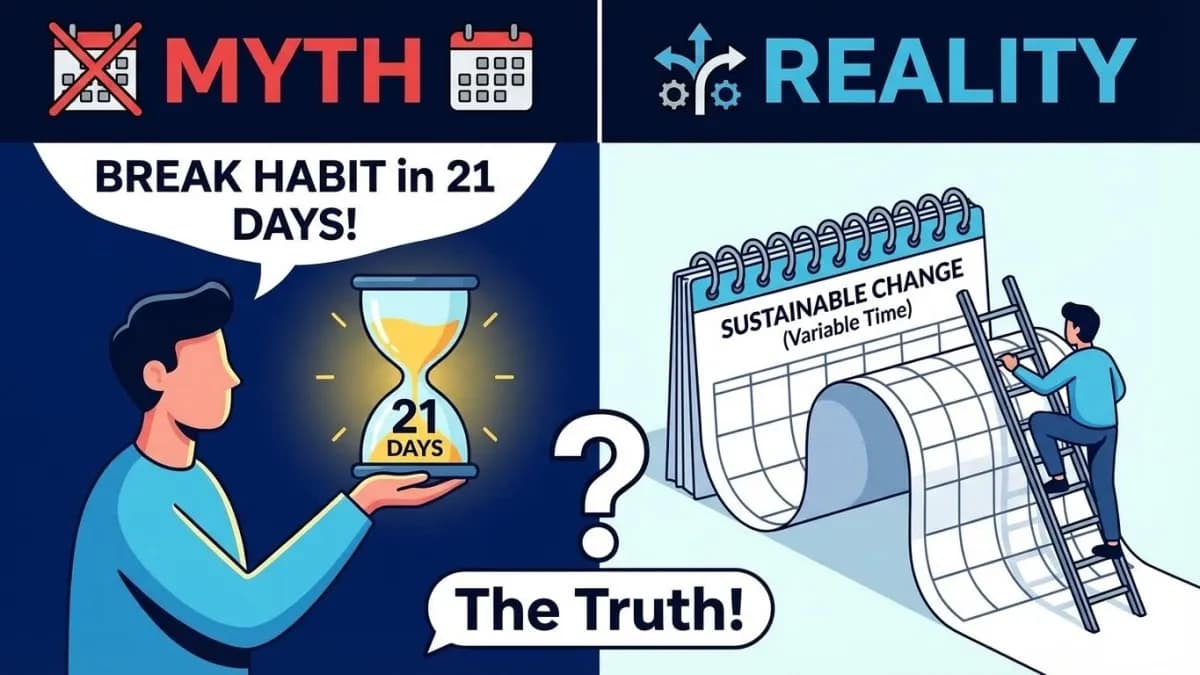
From what I’ve seen with clients, the first 3-7 days are the hardest. You’ll feel bored, restless, and keep reaching for your phone automatically. After two weeks, the compulsion weakens significantly. After 30 days, most people report they no longer think about TikTok constantly. But like any habit, you need to actively replace it with something better.
Q: Can I use TikTok in moderation or should I delete it completely?
This depends on your personality. Some people can set a 20-minute limit and stick to it. Others need complete deletion to break free. Ask yourself honestly: Have you ever successfully moderated your usage for more than a few days? If the answer is no, deletion might be necessary. You can always reinstall it later once you’ve proven to yourself that you can live without it.
Q: Why do I feel guilty after scrolling but keep doing it anyway?
This is the classic addiction cycle. Your logical brain knows it’s a waste of time, but your reward-seeking brain overrides that logic. The dopamine hit from scrolling feels more immediate and certain than the distant reward of being productive. This isn’t a willpower problem—it’s your brain choosing the guaranteed short-term reward over uncertain long-term benefits. The solution is making the short-term cost more obvious (like tracking your hours wasted) and the long-term benefit more concrete (like setting specific goals for that time).
Q: What if I use TikTok for my business or to stay informed?
Fair question. But be honest: How much of your time is actual business research versus mindless scrolling? I recommend creating a separate “business only” account that doesn’t follow entertainment content. Set specific times to check it (like 10 AM and 3 PM only) and use a timer. If you catch yourself on your personal feed, that’s your sign that “business use” has become an excuse.
Q: My friends share everything on TikTok. Won’t I miss out?
The fear of missing out (FOMO) is real, but here’s the truth: You’re not actually missing out on anything important. Real friends will tell you about significant things directly. Viral trends come and go every few days—they don’t matter. I’ve had clients delete TikTok and report that after two weeks, they realized how little they actually missed. The truly important stuff finds its way to you through other channels.
Q: Is watching TikTok before bed really that bad?
Yes, it’s worse than you think. The blue light disrupts melatonin production, making it harder to fall asleep. But the bigger issue is the dopamine rollercoaster—your brain gets wound up right when it should be winding down. Plus, the algorithm learns you use TikTok at night and serves you more engaging content during those hours to keep you up longer. I’ve seen people gain back 1-2 hours of sleep per night just by stopping their bedtime scrolling habit.
Q: What are better alternatives to TikTok when I’m bored?
The goal isn’t to replace TikTok with another dopamine app. Instead, try activities that actually restore your energy:
Read a physical book (forces single-tasking)
Go for a walk without your phone
Call a friend and have an actual conversation
Practice a skill or hobby you’ve been neglecting
Just sit with your boredom for 5 minutes (it passes)
The boredom you feel after quitting TikTok is actually your brain recalibrating. It’s temporary.
Q: How do I explain to people why I deleted TikTok without sounding preachy?
Keep it simple and personal: “I realized it was eating up too much of my time, so I took a break.” You don’t need to justify your choices or convince others to follow you. If someone pushes back, just say “It was the right decision for me.” Most people will actually respect you for it—many are struggling with the same issue but haven’t admitted it yet.
READ MORE:https://mrpsychics.com/monk-mode-the-extreme-productivity-trend-explained/
Final Thoughts: You Have More Control Than You Think
Look, I’m not here to tell you TikTok is evil or that you should never use it.
But I am telling you that you deserve to be in control of your own attention.
The slot machine effect is real. The dopamine manipulation is real. The time theft is real.
You can either let an algorithm decide how you spend your life, or you can take that power back.
Start small. Try the three-video rule today. Check your screen time tomorrow. Set one boundary this week.
The most successful life isn’t the one with the most entertainment. It’s the one where you’re present, focused, and building something that matters to you.
Your future self will thank you for every hour you reclaim.
Now close this tab and do something real with your time.

Ahmed is a self-improvement and psychology writer passionate about helping people live smarter, calmer, and more productive lives.
- Ahmed manasiya

- Ahmed manasiya
- Ahmed manasiya
- Ahmed manasiya